
25 Effortless Plants for a Stunning, Low-Maintenance Garden

Garden enthusiasts often dream of lush, vibrant landscapes without the exhausting maintenance and complex care routines that typically accompany plant cultivation.
Effortless gardening represents the ultimate goal for both novice and experienced green thumbs seeking stunning outdoor spaces with minimal intervention.
Resilient plant varieties exist that can thrive beautifully with limited attention, transforming ordinary yards into extraordinary botanical displays that seem almost magical in their simplicity.
These low-maintenance botanical champions possess remarkable adaptability, capable of flourishing under diverse environmental conditions without constant pampering or specialized techniques.
Gardeners can select from an incredible array of plants that naturally resist common challenges like drought, pest infestations, and unpredictable weather patterns, ensuring consistent visual appeal throughout seasonal changes.
Landscaping professionals have carefully curated exceptional plant selections that guarantee successful cultivation for individuals with busy lifestyles or limited gardening expertise.
Crimson Barberry Shield for Gardens
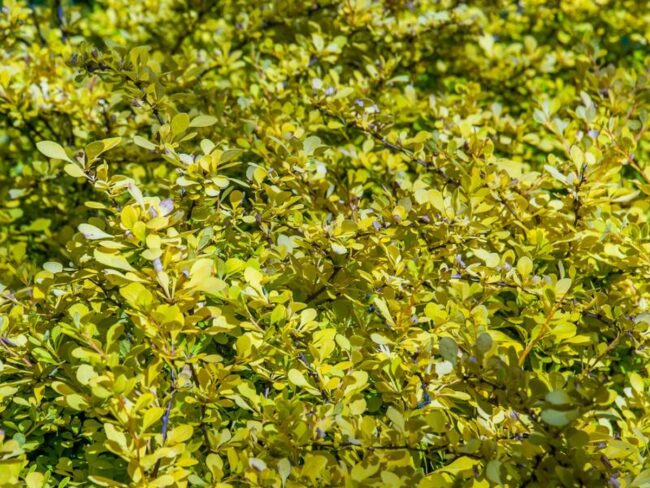
Barberry shrubs stand out as garden champions, offering remarkable landscape benefits with their thorny protective branches and stunning color variations.
Native to multiple continents, these resilient plants flourish in USDA zones 4-8, tolerating diverse environmental conditions with impressive adaptability.
Vibrant foliage ranges from deep burgundy to bright chartreuse, creating dramatic visual interest in residential landscapes.
Their dense branching structure provides excellent natural security, acting like a living fence that deters unwanted wildlife and potential intruders.
Sun-loving barberries thrive in full sunlight but also tolerate partial shade, making them versatile landscape additions.
Drought resistance ensures survival during challenging summer months, reducing irrigation needs for budget-conscious landscapers.
Lush Green Shade Gardens Hostas
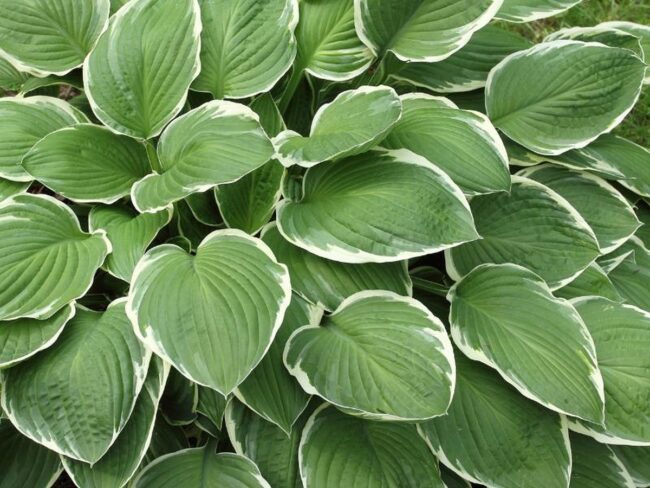
Hosta plants reign supreme in shade gardens, offering lush foliage that captures landscape attention with minimal maintenance.
Native to Northeast Asia, these perennials boast incredible leaf variations ranging from deep green to silvery blue and creamy yellow.
Shade-loving characteristics allow these plants to flourish beneath trees and along woodland edges where other plants struggle.
Well-drained, moist soil ensures healthy growth and spectacular leaf development throughout spring and summer seasons.
Mature hosta plants can spread up to several feet wide, creating dramatic ground cover in challenging landscape areas.
Size variations range from tiny eight-inch compact specimens to massive four-foot wide dramatic centerpieces.
Multiple cultivars provide gardeners exciting options for designing low-maintenance, stunning shade garden environments.
Golden Whispers Cypress Garden Design
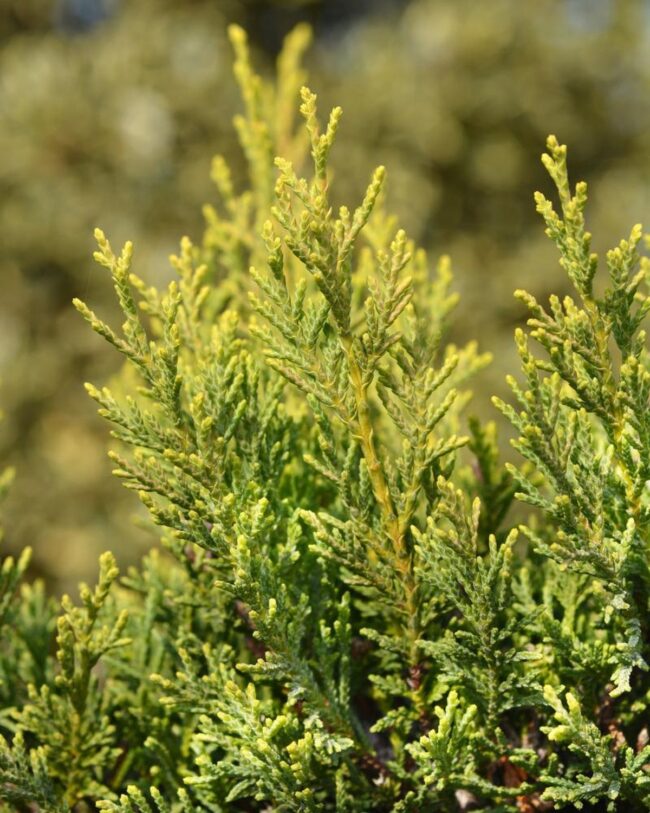
Golden-yellow threads of delicate needles make Gold Thread Cypress a landscaping gem that catches everyone's eye in USDA zones 4-8.
Drought-tolerant and incredibly hardy, this evergreen shrub reaches up to 6 feet with surprisingly little maintenance.
Minimal pruning keeps this compact beauty looking pristine throughout seasonal changes.
Rock gardens and border plantings become instantly more dynamic with its radiant golden-yellow foliage.
Landscape designers appreciate how effortlessly it blends with various plant styles and garden layouts.
Winter landscapes especially benefit from its persistent color and elegant structure.
Sunlight highlights its delicate needles, creating a mesmerizing golden shimmer that transforms ordinary outdoor spaces into extraordinary botanical displays.
Spidery Winter Blooms Illuminate Gardens
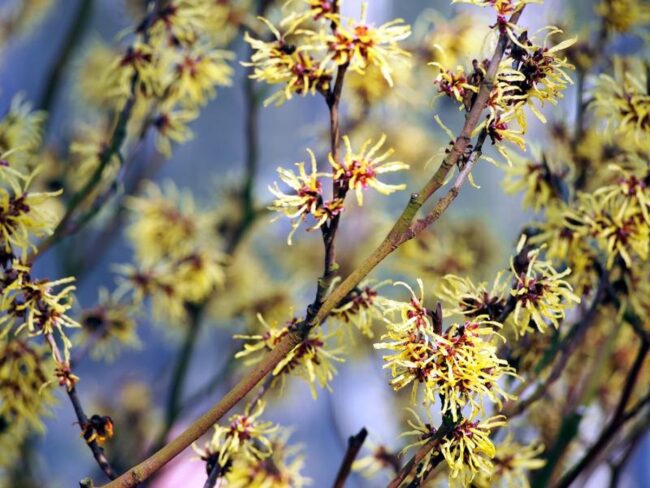
Witch hazel stands out as a garden gem that delivers spectacular winter drama with its delicate, spidery yellow or orange blossoms emerging against bare branches when most plants remain dormant.
Native to North America, this resilient shrub captivates gardeners with its unusual flowering pattern that defies typical seasonal expectations.
Botanical enthusiasts appreciate its adaptability across USDA zones 3-9, thriving in partial shade or full sun with minimal maintenance requirements.
Landscape designers value witch hazel for its multi-season appeal, showcasing brilliant fall foliage before surprising viewers with distinctive winter blooms.
Medicinal applications make this plant even more remarkable, with its bark and leaves traditionally used for skin treatments and reducing inflammation.
Compact varieties work perfectly in small gardens, while larger cultivars create dramatic woodland borders or standalone focal points.
Plant witch hazel in well-draining, slightly acidic soil for optimal growth and stunning performance.
Purple Ajuga Carpet Conquers Landscape
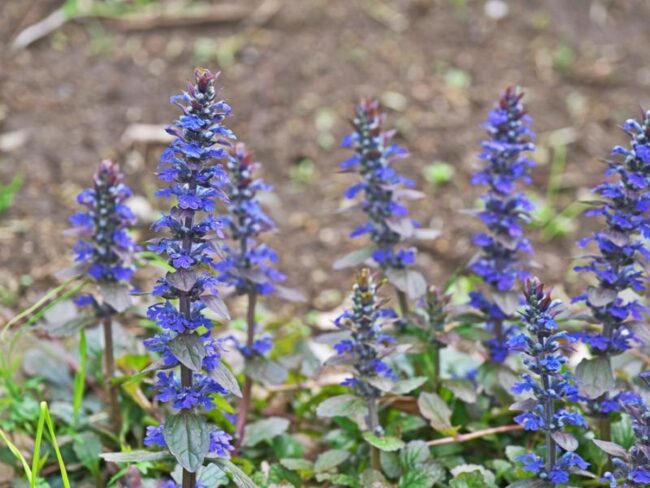
Ajuga, a resilient ground cover native to Europe, captivates gardeners with its spectacular multicolored leaves ranging from deep purple to rich green and brilliant blue.
Botanical enthusiasts prize this hardy perennial for its remarkable ability to spread quickly across challenging landscape areas, effortlessly controlling soil erosion on slopes and filling empty garden spaces.
Thriving in diverse light conditions from full sun to deep shade, ajuga demands minimal maintenance and adapts seamlessly to USDA hardiness zones 3-9.
Professional landscapers and home gardeners alike appreciate its low-growing nature and striking foliage that creates dense, carpet-like groundcover.
Drought-tolerant and typically disease-resistant, this plant requires only occasional watering and minimal pruning to maintain its lush appearance.
Small blue or purple flower spikes emerge in spring, adding delicate visual interest to its already impressive leaf display.
Yellow Sunshine Tickseed Meadow Magic
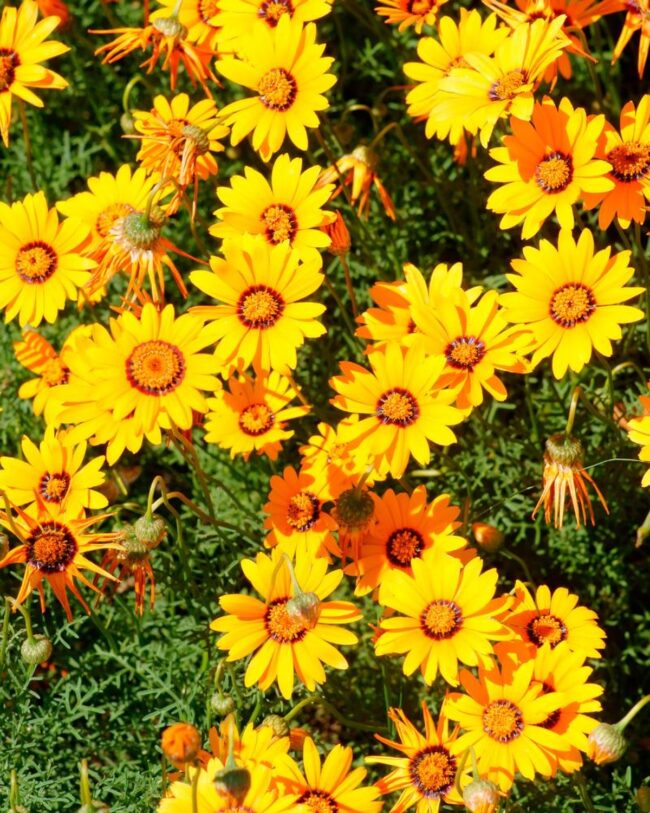
Coreopsis, nicknamed tickseed, dazzles gardens with cheerful yellow, red, or pink blooms that attract pollinators and create stunning visual displays.
Native to North America, these hardy perennials flourish in USDA zones 4-9, offering gardeners a low-maintenance flowering option that withstands challenging conditions.
Drought-tolerant and adaptable, coreopsis thrives in full sun or partial shade, making them an ideal choice for various landscape designs.
Rock gardens, wildflower meadows, and traditional borders benefit from their charming presence and minimal care requirements.
Most varieties grow between 1-3 feet tall, creating perfect mid-height fillers in garden spaces.
Emerald Carpet: Forest Floor Guardian
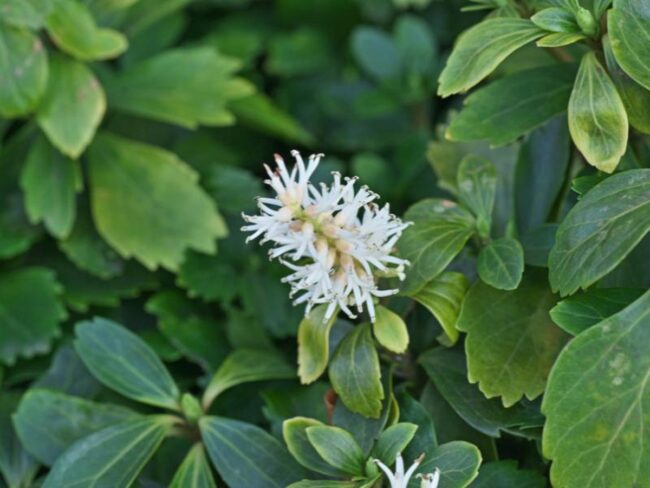
Green pachysandra blankets shaded landscapes with its glossy leaves, creating a lush carpet that conquers difficult garden spaces.
Native to Japan and parts of North America, this resilient ground cover dominates areas beneath trees where other plants struggle to survive.
Hardy plants spread quickly, forming thick mats that naturally suppress weed development in challenging environments.
Thriving in USDA zones 4-8, pachysandra provides consistent green coverage throughout seasonal changes.
Weekend landscapers love how effortlessly these plants establish themselves in woodland-like settings.
Minimal sunlight requirements make pachysandra perfect for challenging garden areas with limited direct light.
Landscape designers recommend this plant for its ability to create uniform, attractive ground coverage with minimal investment of time or resources.
Sunshine Yellow Wildflowers Dancing Everywhere
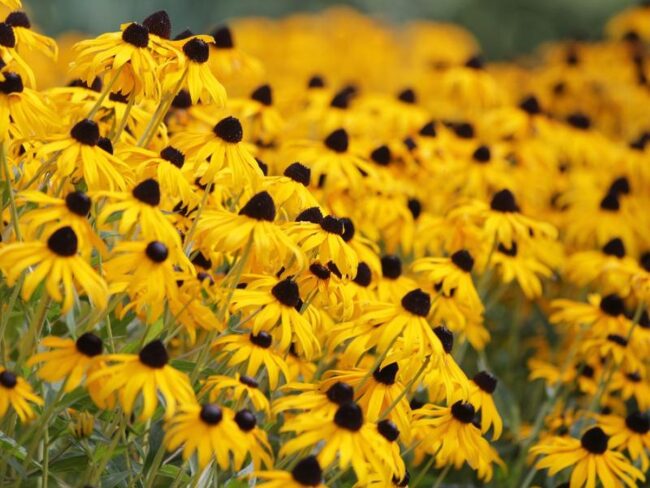
Black-Eyed Susan bursts with golden-yellow petals surrounding rich dark centers, creating a stunning display in gardens across North America.
Native wildflowers flourish effortlessly in USDA zones 3-9, offering gardeners a low-maintenance perennial that demands minimal care.
Pollinators like butterflies adore these cheerful flowers, which bloom prolifically during summer and early autumn months.
Full sun exposure produces the most robust plants, though they tolerate partial shade without compromising their vibrant appearance.
Drought-resistant characteristics make Black-Eyed Susans ideal for landscapes with challenging growing conditions.
Hardy roots spread easily, creating natural meadow-like clusters that require little intervention from gardeners.
Soil quality matters less for these adaptable flowers, as they thrive in various terrain types from clay to sandy ground.
Low-Maintenance Green Grass Solution
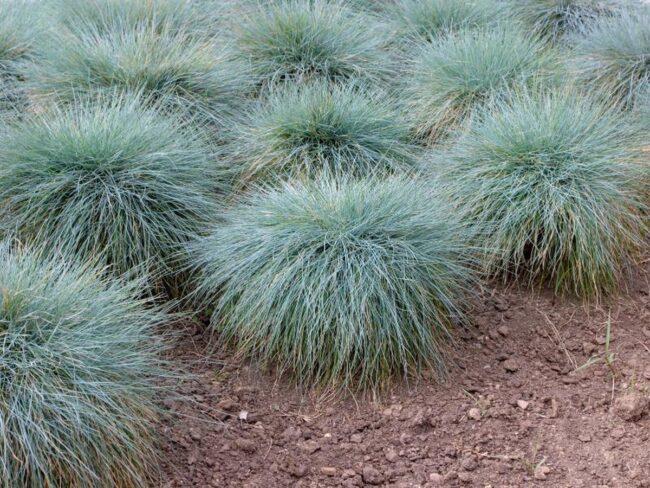
Lawn enthusiasts love fescue grass for its remarkable resilience and low-maintenance qualities, making it a top choice across USDA zones 3-8.
Drought-tolerant characteristics allow this grass to survive with minimal watering, thriving equally well in sunny and shaded areas.
Exceptional adaptability means fescue requires significantly less fertilizer compared to other grass varieties, reducing overall lawn maintenance expenses.
Strong root systems help this grass withstand challenging environmental conditions, from intense heat to moderate cold.
Sustainable landscaping becomes easier with fescue's natural ability to maintain its lush appearance without excessive intervention.
Ecological benefits include reduced water consumption and lower chemical treatment needs.
Purple Blooms Texas Ranger Shrub
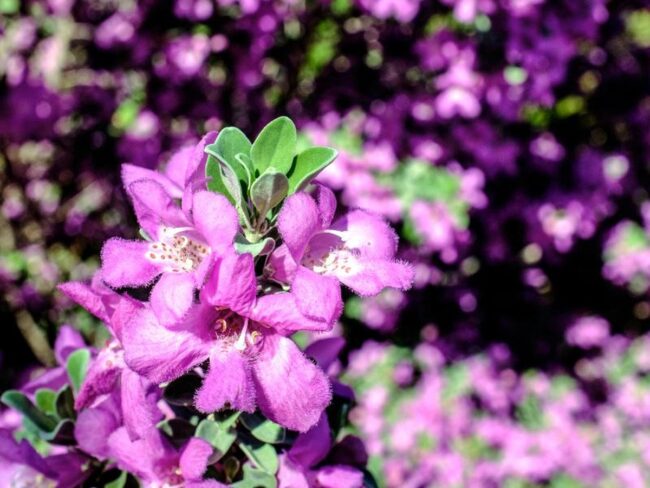
Texas Ranger, a stunning shrub native to the southwestern United States, bursts with vibrant purple blooms that captivate gardeners in warm, dry climates like USDA zones 8-11.
Growing up to 6 feet tall, this drought-tolerant marvel requires minimal maintenance and thrives in full sun conditions.
Native landscapes benefit from its remarkable ability to adapt to multiple soil types with ease.
Water-conscious gardeners appreciate its low-water needs and resilient nature.
Delicate bell-shaped flowers create a mesmerizing display throughout the year, adding subtle elegance to any outdoor space.
Its deep purple blossoms contrast beautifully against its silvery-green foliage.
Southwestern gardens particularly shine with this hardy plant's presence.
Landscape designers consistently recommend Texas Ranger for its exceptional performance in challenging environmental conditions.
Soft Pink Blooms Cascade Gracefully
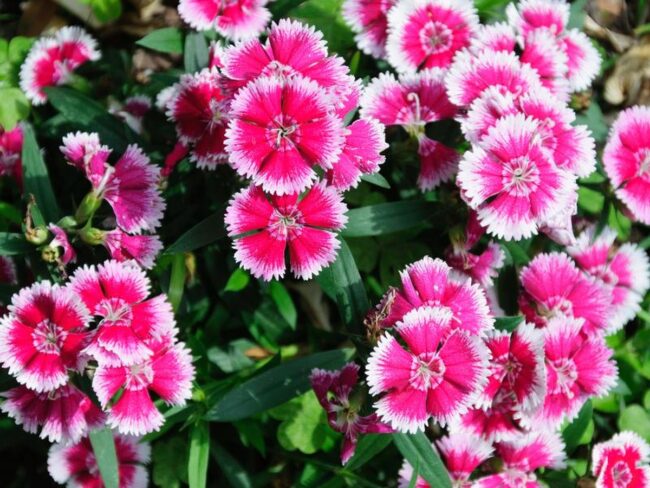
Dianthus, a charming perennial beloved by gardeners, offers spectacular bursts of pink, red, lavender, and white blossoms that effortlessly elevate landscape designs.
Thriving in USDA zones 3-9, these resilient flowers adapt to diverse climates with remarkable ease.
Garden enthusiasts appreciate dianthus for its low-maintenance nature and ability to flourish in well-drained soil and full sunlight.
Compact and versatile, these plants create stunning displays in rock gardens, borders, and pathways.
Their delicate petals emit a subtle, sweet fragrance that attracts pollinators and adds sensory delight to outdoor spaces.
Native to Europe and Asia, dianthus species include popular varieties like carnations and sweet William.
Purple Grass Landscape Accent
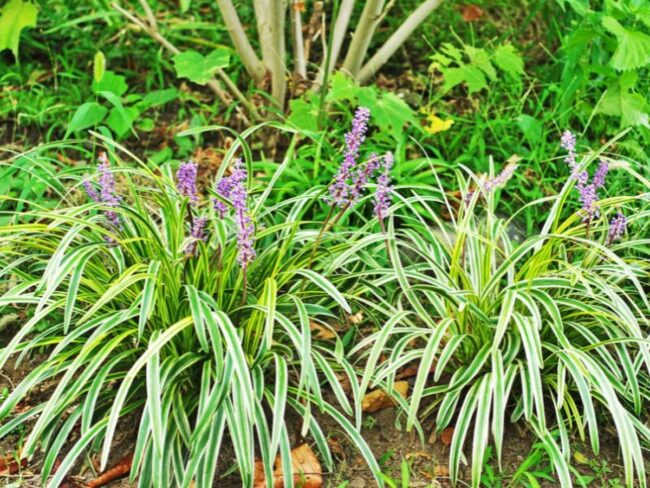
Liriope, commonly known as monkey grass, emerges as a resilient evergreen perennial that captivates gardeners with its striking grass-like foliage and enchanting purple blooms.
Native to East Asia, this versatile plant flourishes effortlessly in USDA zones 5-10, making it a top choice for landscaping enthusiasts seeking low-maintenance greenery.
Drought-tolerant and naturally resistant to pests, liriope excels as a dynamic ground cover, elegant border, or charming container plant that requires minimal intervention.
Its long, arching leaves create lush textures while delicate purple flowers add unexpected splashes of color throughout growing seasons.
Landscape designers frequently utilize liriope for erosion control, creating seamless transitions between different garden spaces.
Feathery Green Waves Dance Garden
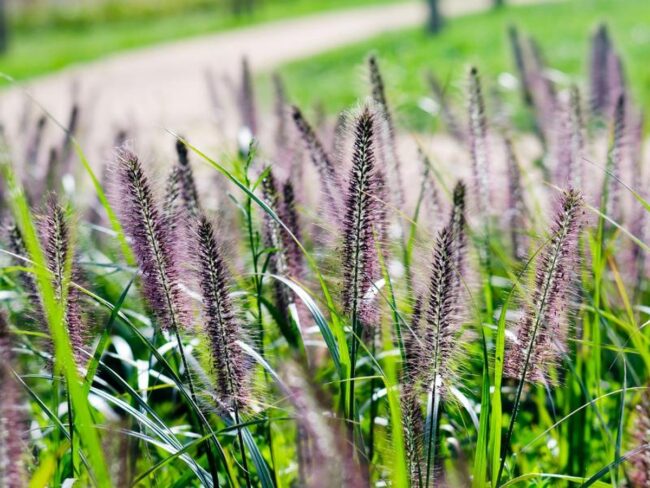
Fountain grass enchants gardeners with its graceful, arching foliage and delicate, feathery plumes that dance in the breeze.
Native to Africa, this stunning ornamental grass brings dynamic texture to landscapes with minimal effort.
Tolerant of drought and heat, fountain grass flourishes in USDA zones 5-9, making it a versatile landscaping choice for many regions.
Its color palette ranges from rich green to dramatic bronze and deep purple, ensuring visual interest in borders, rock gardens, and mass plantings.
Mature plants typically reach 2-5 feet tall, creating elegant vertical elements in outdoor spaces.
Sunlight exposure and well-draining soil help fountain grass thrive throughout summer and early autumn.
Careful pruning in late winter maintains its beautiful shape and promotes healthy growth.
Dark Green Fortress of Garden Privacy
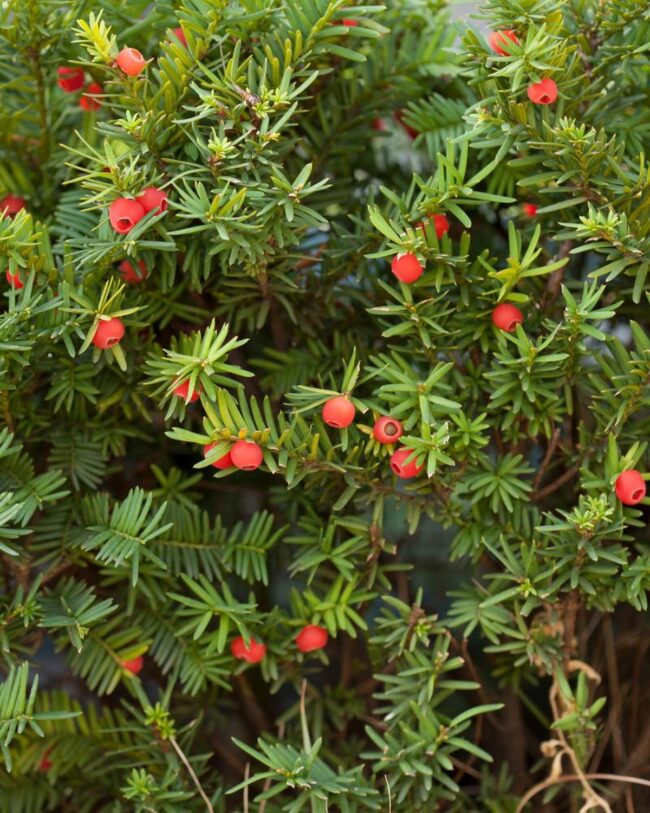
Legendary in landscape design, yew stands out as a remarkable evergreen shrub prized for its dense, dark green foliage and remarkable adaptability across diverse garden settings.
Native to Europe, parts of Asia, and North America, yew thrives in USDA zones 4-9 and tolerates various soil conditions, making it an exceptional choice for landscapers seeking a dependable ornamental plant.
Mature specimens can grow impressively tall, ranging from 4 to 60 feet depending on the specific variety, which provides dramatic structural elements in outdoor spaces.
Yew's compact growth habit and deep green needles create a rich, textural backdrop that enhances garden aesthetics throughout the year.
Silver Plumes Dancing Garden Heights
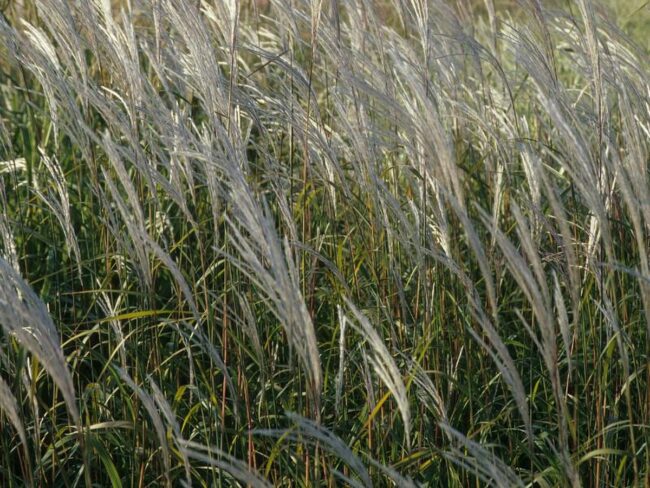
Maiden Grass brings dramatic elegance to gardens with its towering silver-white plumes that dance gracefully in summer breezes.
Native to East Asia, this ornamental grass creates stunning landscape designs with minimal effort from gardeners.
Reaching heights between 4-6 feet, Maiden Grass provides dramatic vertical interest in landscapes across USDA zones 5-9.
Drought-tolerant and adaptable, these hardy plants flourish in full sun and well-draining soil conditions.
Silvery seed heads emerge late summer, adding ethereal texture to garden spaces throughout autumn and winter months.
Landscapers appreciate its low-maintenance nature and ability to thrive in various environments.
Blue Whispers Dancing Summer Gardens
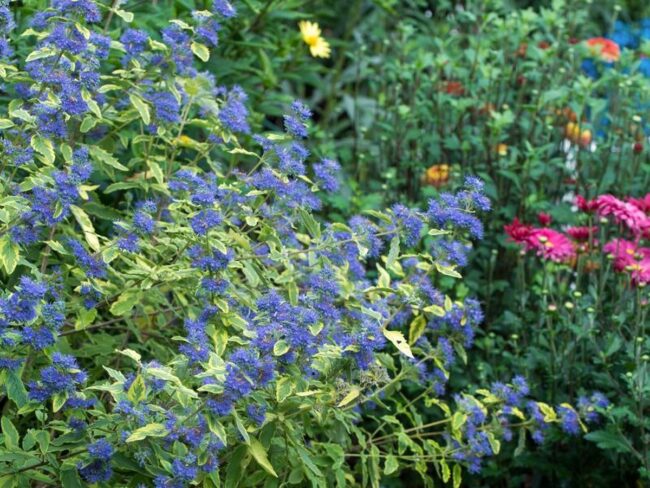
Blue Mist Spirea, a stunning shrub native to East Asia, captivates gardeners with its ethereal blue flower clusters that bloom from late summer to early fall.
Thriving in USDA zones 5-9, this hardy plant requires minimal maintenance and resists deer and pest invasions.
Pollinators like butterflies and bees flock to its delicate azure blossoms, creating a dynamic garden ecosystem.
Drought-tolerant and adaptable, Blue Mist Spirea grows easily in well-draining soil with full sun to partial shade conditions.
Mature plants typically reach 3-4 feet tall and wide, forming a compact, rounded shape that adds structure to landscape designs.
Pruning in early spring helps maintain its shape and promotes robust flowering throughout the season.
Green Carpet Mondo Grass Landscaping
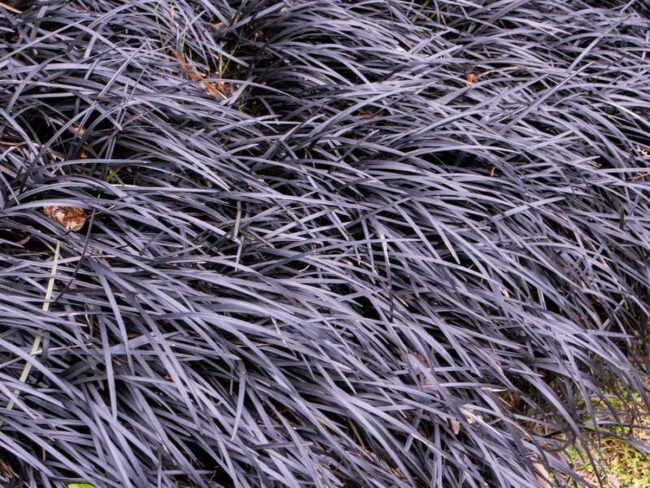
Mondo grass stands out as a remarkable ground cover that effortlessly adapts to diverse environments across USDA zones 6-11.
Native to East Asia, this resilient plant thrives in various light conditions and soil types, making it an ideal choice for landscape design.
Drought and heat tolerance are standout features that set mondo grass apart from other ground cover options.
Landscape designers frequently use mondo grass for edging, filling garden gaps, and creating visual continuity in outdoor spaces.
Its deep green color remains consistent throughout the year, offering a reliable backdrop for other plants.
Minimal care and exceptional adaptability make mondo grass a top recommendation for gardeners seeking a low-effort, high-impact ground cover solution.
Emerald Sedge Waves Soft Landscape
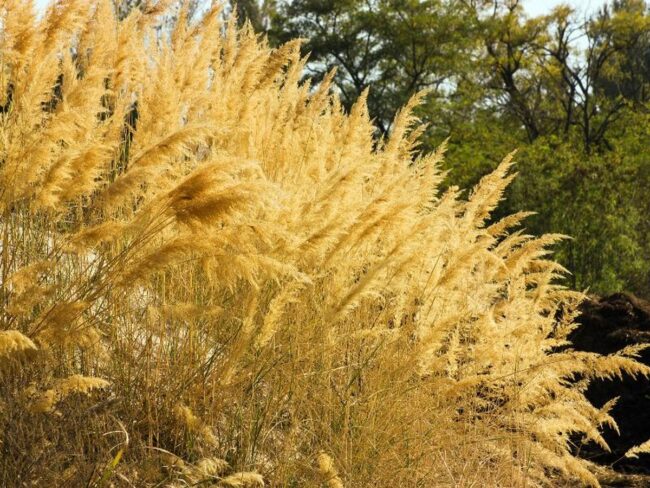
Sedge stands out as a remarkable garden hero, offering lush grassy textures that effortlessly enhance landscape designs across multiple environments.
Native to diverse regions, this adaptable plant thrives in USDA zones 3-9, handling both sunny and shaded spaces with remarkable resilience.
Landscaping professionals love its versatility, using sedge for ground cover, border definition, and natural erosion control.
Elegant foliage creates visual interest without demanding constant care or specialized techniques.
Water-wise and robust, sedge plants withstand challenging soil conditions with surprising grace.
Subtle movements in gentle breezes add dynamic dimension to garden spaces.
Green Succulent Carpet Stone Embrace
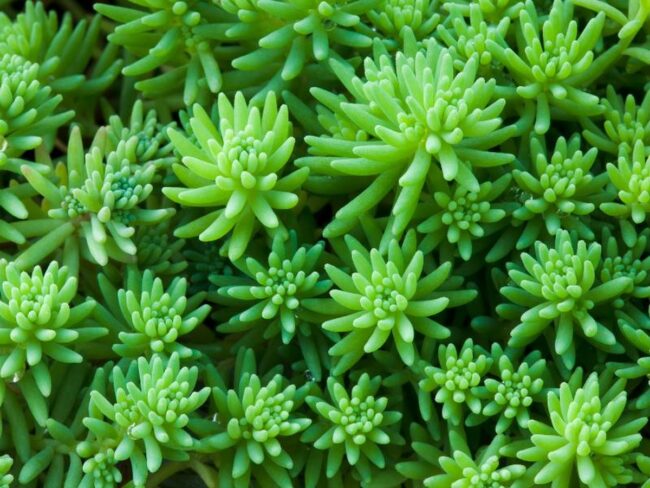
Stonecrop sedum thrives across North American landscapes, offering gardeners a low-maintenance ground cover solution with minimal effort.
Drought-resistant plants spread quickly, creating dense green carpets that transform rocky terrain with minimal watering requirements.
Small star-shaped blossoms attract pollinators like bees and butterflies, bringing delightful movement to garden spaces.
Hardy varieties flourish in USDA zones 3-9, surviving extreme temperature fluctuations with remarkable resilience.
Thick, fleshy leaves store water efficiently, helping plants withstand dry conditions without additional care.
Landscapers appreciate sedum's ability to establish quickly, covering bare ground with lush green textures.
Rockeries and alpine gardens benefit most from these adaptable succulents, which require little soil nutrition.
Minimal maintenance makes stonecrop an ideal choice for busy gardeners seeking beautiful, sustainable groundcover solutions.
Lush Magenta Bergenia Garden Anchor
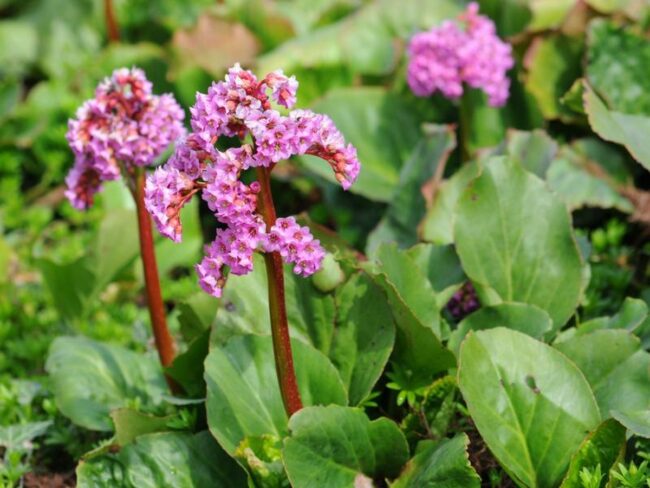
Bergenia stands out as a remarkable perennial with dramatic, leathery leaves that shift from deep green to rich burgundy during colder months.
Native to central Asia, bergenia produces clusters of delicate pink or white flowers that emerge in early spring, creating beautiful ground cover near rock gardens or woodland edges.
Resilient and drought-tolerant, these plants handle challenging soil conditions with remarkable ease.
Landscapers value bergenia for its low-water requirements and ability to thrive in challenging environments.
Compact root systems help prevent soil erosion while providing interesting textural elements to garden designs.
Winter interest comes from its leathery leaves that transform from green to deep burgundy, adding color when other plants look dormant.
Periwinkle’s Blue Whispers Spread
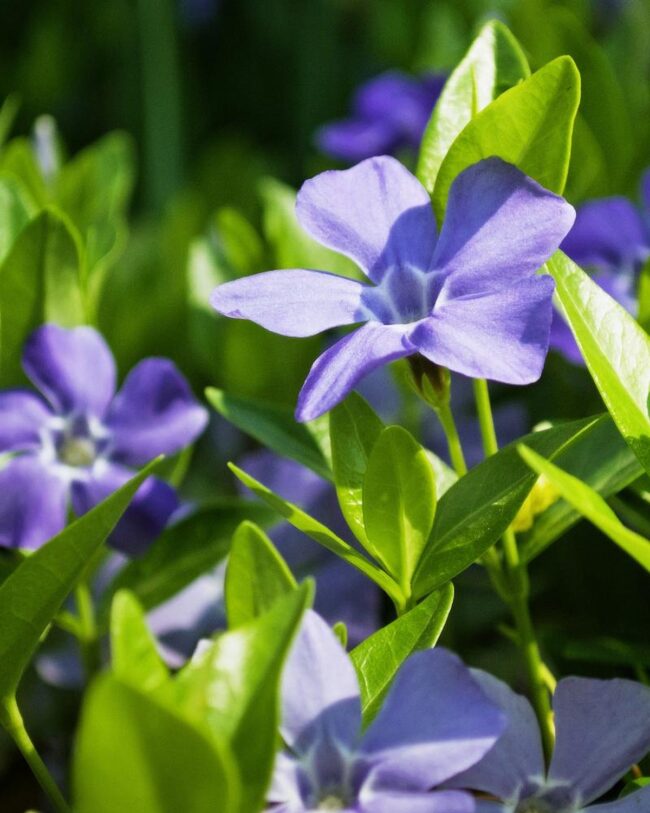
Periwinkle, a charming ground cover native to Europe, enchants gardeners with its delicate blue, lavender, or white blooms that dance atop glossy evergreen leaves.
Landscapers adore this hardy plant for its remarkable ability to thrive in shady areas across USDA zones 4-8, conquering challenging garden spaces with ease.
Drought-resistant and low-maintenance, periwinkle (Vinca minor) spreads quickly, creating a lush carpet that effectively suppresses unwanted weeds.
Its trailing stems root easily, forming dense mats that stabilize slopes and prevent soil erosion.
Periwinkle grows best in partial to full shade, tolerating various soil conditions from slightly acidic to neutral.
White-Striped Grass Landscape Wonder
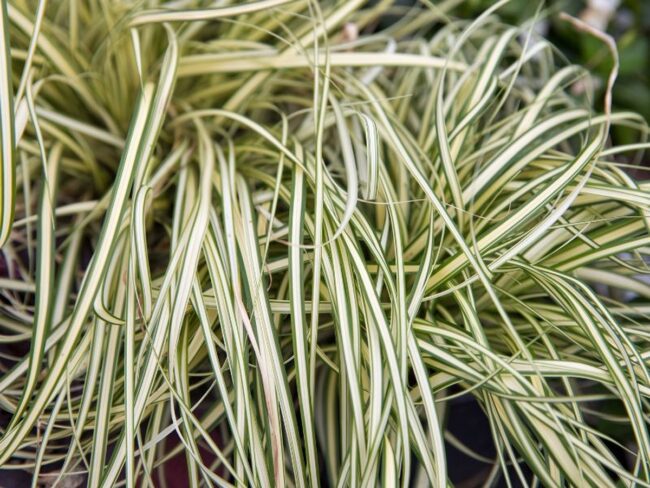
Ribbon grass enchants gardeners with its striking green and white striped foliage, creating dynamic visual interest across landscapes.
Native to Europe and Asia, this versatile ornamental grass flourishes effortlessly in USDA zones 4-9, adapting to full sun or partial shade conditions.
Rapid spreading characteristics help control soil erosion while providing textural depth to garden beds and borders.
Perennial by nature, ribbon grass easily integrates with other plants, offering graceful movement and architectural structure to outdoor spaces.
Its resilient root system ensures quick establishment in various soil types, from clay to sandy compositions.
Landscapers and home gardeners value this grass for its ability to fill empty spaces rapidly and create natural, flowing transitions between garden elements.
Pink Clusters Nature’s Resilient Garden Star
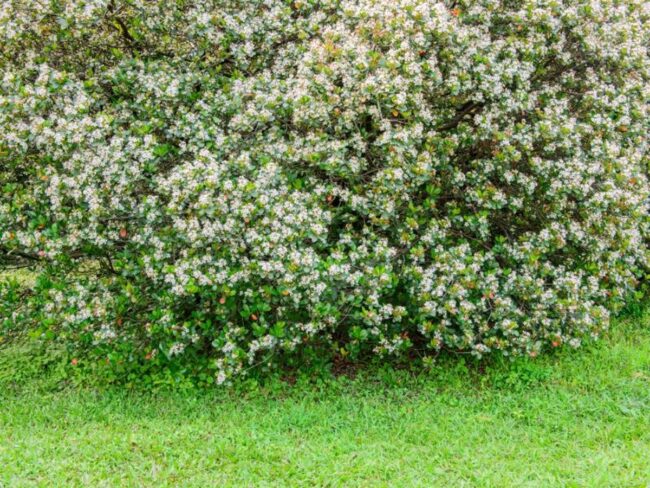
Rhaphiolepis indica, commonly known as Indian Hawthorn, stands out as a resilient evergreen shrub prized by landscapers for its adaptability and aesthetic appeal.
Native to southern China and southeast Asia, this shrub flourishes effortlessly in USDA hardiness zones 7-10, showcasing remarkable tolerance to different soil conditions.
Minimal maintenance requirements make Indian Hawthorn an exceptional choice for both novice and experienced gardeners seeking low-effort landscaping solutions.
Small berries follow the flowering period, attracting local bird populations and enhancing garden biodiversity.
Landscape designers frequently use this plant for creating elegant hedges, structured borders, or as attractive container specimens.
White Bottlebrush Blooms Woodland Sanctuary
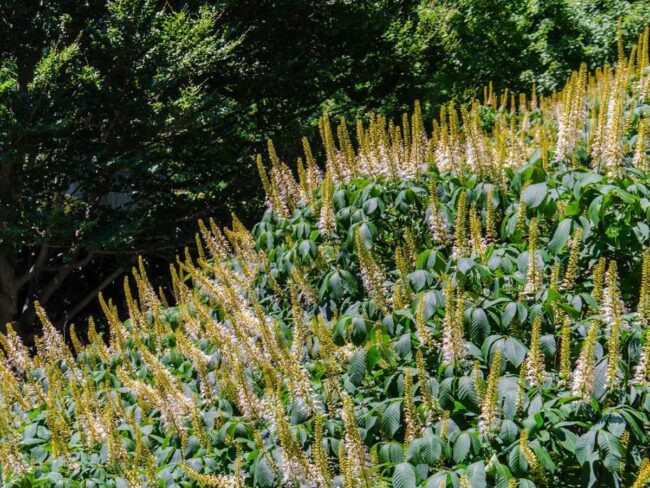
Bottlebrush Buckeye stands out as a magnificent native shrub with dramatic white bottlebrush-like flower clusters that illuminate shaded garden spaces during summer months.
Native to southeastern United States woodlands, this deciduous plant reaches impressive heights of 12 feet with minimal maintenance requirements.
Spectacular flower spikes emerge in late summer, creating stunning visual interest against deep green foliage.
Shade-loving characteristics make this plant ideal for woodland gardens or areas with limited direct sunlight.
Mature specimens develop broad, spreading branches that provide excellent natural screening and aesthetic appeal.
Landscapers recommend planting Bottlebrush Buckeye in rich, well-draining soil with partial to full shade conditions.
Native plant enthusiasts celebrate this shrub's low-maintenance nature and ecological benefits for supporting local wildlife ecosystems.
Sunshine Yellow Forsythia Bursts Forth
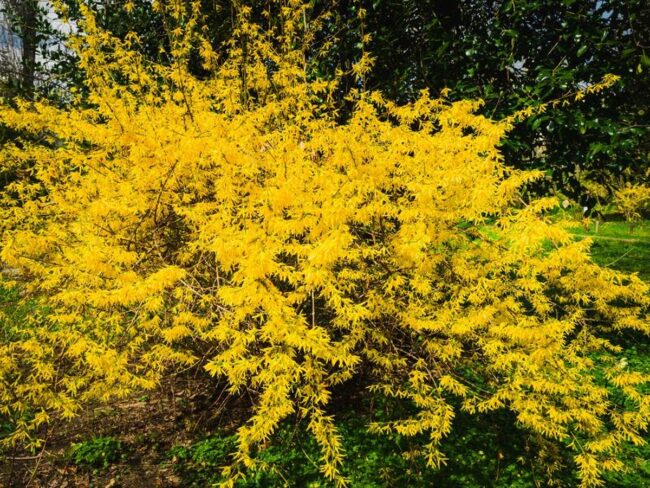
Forsythia bursts into spectacular yellow blossoms during early spring, signaling winter's end with dramatic flair across gardens in USDA zones 5-8.
Native to East Asia, forsythia adapts effortlessly to diverse soil conditions, requiring minimal care while delivering maximum aesthetic appeal.
Landscape designers favor its rapid growth and ability to create natural privacy screens or dramatic borders along property lines.
Mature shrubs can reach impressive heights between 8-10 feet, providing substantial structure and color to residential landscapes.
These resilient plants flourish in full sun to partial shade, tolerating clay, loamy, or sandy soils with equal enthusiasm.
Pruning after flowering helps maintain compact shape and encourages robust future growth, ensuring continued beauty season after season.
Liam Patel
Senior Editor & DIY Craftsman
Expertise
DIY home decor, interior design, budget-friendly styling, sustainable upcycling, creative crafting, editorial writing
Education
Pratt Institute, Brooklyn, NY
Liam Patel is the Senior Editor at Archeworks.org, where he shares creative DIY and home decor ideas. With a degree in Interior Design and years of experience in home styling, Liam focuses on easy, budget-friendly projects that make spaces personal and beautiful.
Liam’s tutorials, styling tips, and affordable solutions help readers design homes they love. He believes decorating is about self-expression and encourages everyone to embrace the joy of creating.