
20 Smart Gardening Tips to Get the Most from Your Veggies

Garden enthusiasts and fresh produce lovers understand the magical journey of cultivating vegetables from tiny seeds to bountiful harvests.
Creating a thriving vegetable garden requires more than just throwing seeds into soil and hoping for the best.
Passionate gardeners recognize that successful vegetable cultivation demands strategic planning, careful selection of plants, and understanding of environmental conditions.
The art of growing vegetables combines scientific knowledge with creative gardening techniques that transform ordinary outdoor spaces into productive green sanctuaries.
Home gardeners can dramatically improve their chances of growing healthy, delicious vegetables by implementing smart and thoughtful approaches tailored to their specific landscape and climate.
Successful vegetable gardening is about developing a harmonious relationship between plants, soil, sunlight, and human care.
Green Vertical Veggie Wall Magic
Vertical vegetable gardening offers gardeners an ingenious solution for maximizing small spaces, allowing enthusiasts to cultivate abundant crops in compact areas.
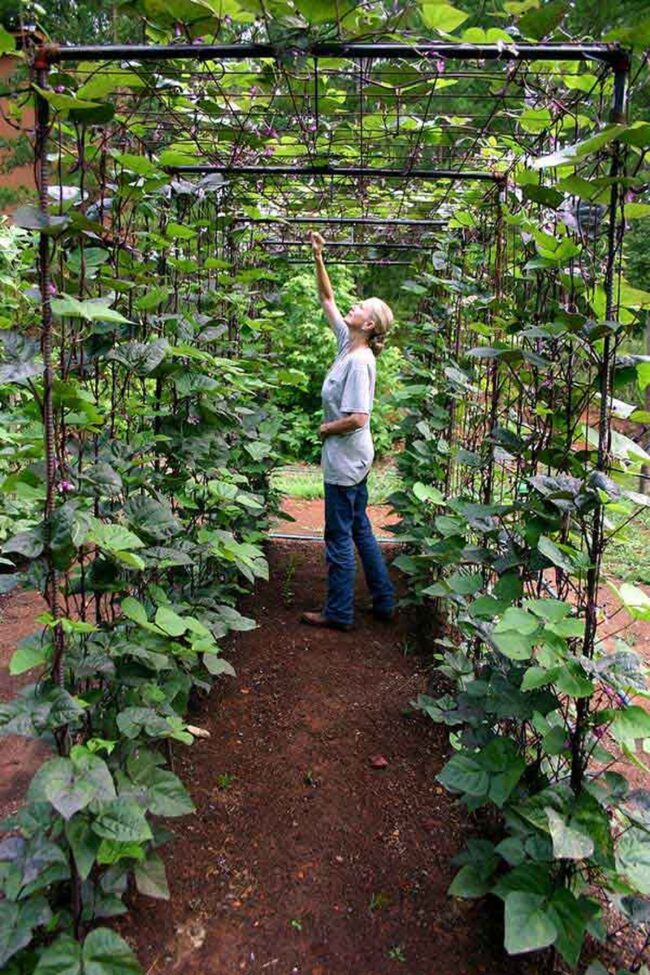
Trellises, sturdy supports, and climbing structures enable vining plants like tomatoes, cucumbers, and pole beans to grow upward, dramatically increasing garden productivity.
Climbing vegetables not only save ground space but also reduce potential pest infestations and disease risks that often plague ground-level plantings.
Strategic placement of vertical structures helps improve air circulation around plants, promoting healthier growth and easier harvesting.
Metal wire mesh, wooden lattices, and bamboo poles serve as excellent frameworks for supporting climbing vegetables and creating visual interest in garden designs.
Utilizing vertical gardening techniques transforms ordinary outdoor spaces into lush, productive green zones that maximize every square inch of available land.
Magical Edible Fairy Garden Paradise
Vegetable gardens burst with potential when seasonal planting strategies elevate traditional landscapes into magical outdoor spaces.
Strategic placement of decorative elements such as miniature ponds or charming fairy houses transforms ordinary garden plots into whimsical wonderlands.
Seasonal rotations ensure continuous harvests and prevent soil depletion, allowing diverse crops to thrive in carefully planned arrangements.
Thoughtful integration of flowering plants attracts beneficial pollinators like bees and butterflies, supporting overall garden ecosystem health.
Native plant selections contribute to local biodiversity and require less maintenance than exotic species.
Green Grid Garden Walkways
Garden pathways between raised vegetable beds elevate outdoor spaces with strategic design and functional beauty.
Stone paths offer durability and a natural aesthetic that complements surrounding greenery.
Wooden walkways provide warmth and blend seamlessly with organic garden landscapes.
Brick pathways add timeless charm and structural elegance to vegetable garden layouts.
Well-designed paths help prevent mud and minimize plant damage during maintenance and harvesting.
Strategic pathway placement transforms ordinary garden spaces into cohesive, professional-looking outdoor environments.
Green Harvest: Home Garden Revolution
Growing vegetables at home solves multiple challenges for health-conscious individuals seeking fresh, organic produce without high grocery expenses.
Compact urban gardens work perfectly for small spaces like balconies or windowsills, allowing anyone to cultivate nutritious herbs and vegetables.
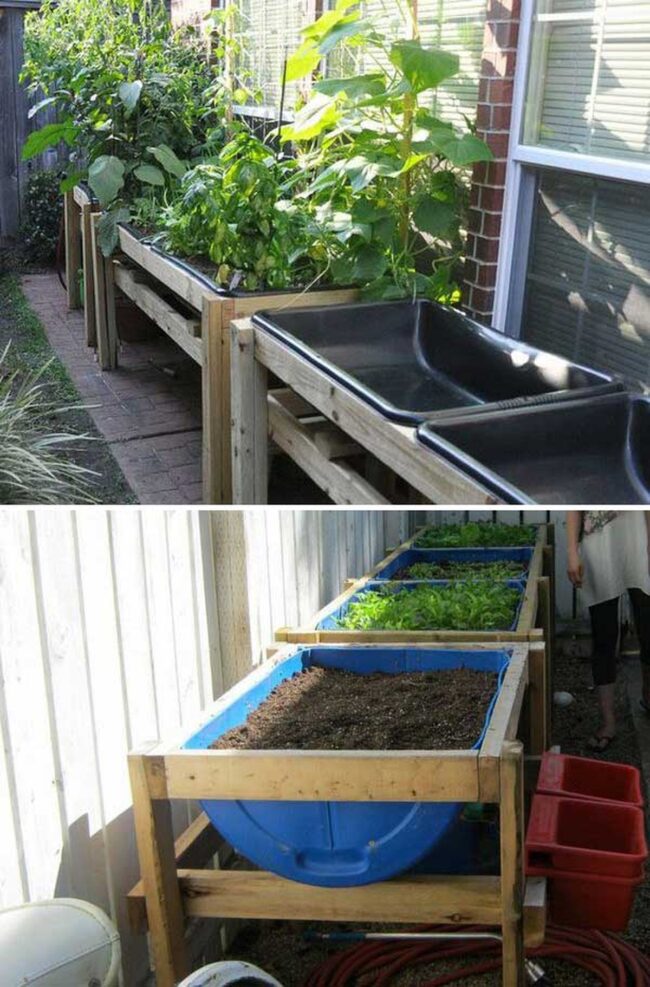
Raised beds maximize growing potential in limited areas, providing excellent drainage and soil control for thriving plants.
Container gardening offers flexibility for renters or people with minimal outdoor space, enabling tomatoes, peppers, and leafy greens to flourish in pots.
Vertical gardening techniques help maximize limited square footage by using walls, trellises, and hanging planters to grow multiple crops simultaneously.
Strategic plant selection ensures success, with beginner-friendly options like lettuce, radishes, and herbs requiring minimal maintenance and quick harvest cycles.
Sustainable practices such as composting and collecting rainwater reduce overall gardening costs while supporting environmental health.
Gray Concrete Beds Urban Garden Solution
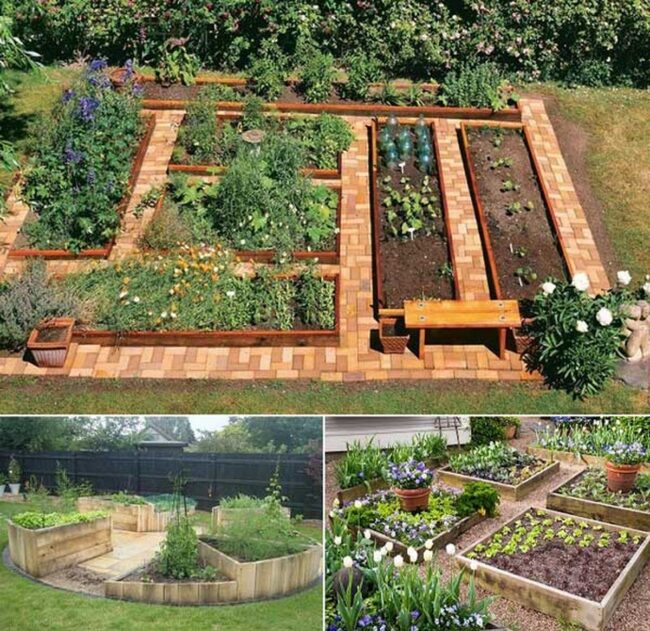
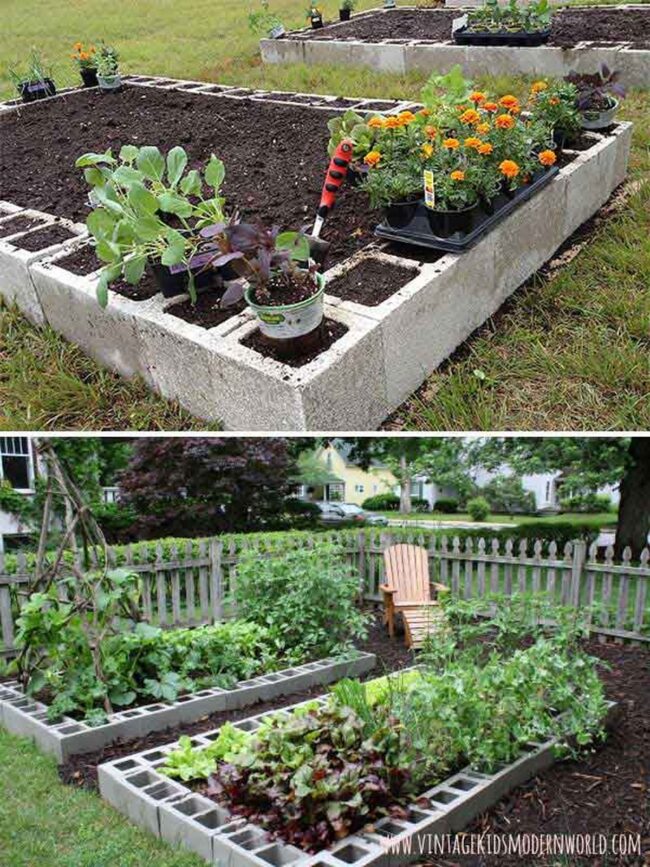
Cement brick garden beds revolutionize vegetable growing with their modern aesthetic and durability.
Professional landscapers and home gardeners love these structures for their simple construction and long-lasting design.
Crafting these beds requires minimal tools, including a diamond-grit saw blade that cuts cement bricks with precision.
Strong geometric lines create a contemporary backdrop for growing tomatoes, herbs, and seasonal vegetables.
Garden enthusiasts can complete this project in just a few days, transforming bare outdoor spaces into productive green zones.
Concrete materials withstand harsh weather conditions better than traditional wooden planters.
Measurements and careful placement ensure each brick fits perfectly, creating a clean landscape element.
Gardening becomes more enjoyable when you design an attractive and functional growing space that complements your yard's existing style.
Green Harvest Bounty in Wood
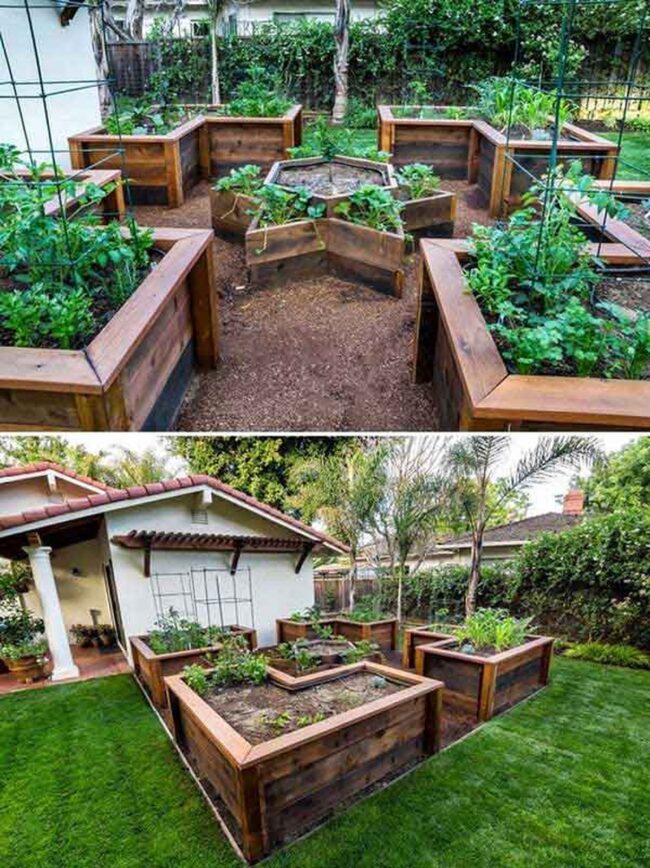
Gardens bloom with potential when wooden raised beds take center stage, maximizing vegetable production and creating a charming landscape solution.
Wooden structures elevate gardening success by generating up to four times more produce compared to traditional row planting methods.
Raised beds provide excellent drainage and soil control, allowing gardeners to customize growing conditions for optimal plant health.
Natural wood materials blend seamlessly with outdoor environments, adding rustic elegance to landscape designs.
Compact raised garden spaces work perfectly for small yards, balconies, and urban gardening scenarios.
Vegetable roots thrive in well-structured soil environments that promote healthy growth and nutrient absorption.
Constructing these beds requires minimal carpentry skills and basic materials like untreated cedar or pine boards.
Strategic placement near sunlight and water sources ensures robust plant development and bountiful harvests.
Vertical Wooden Vegetable Garden Haven
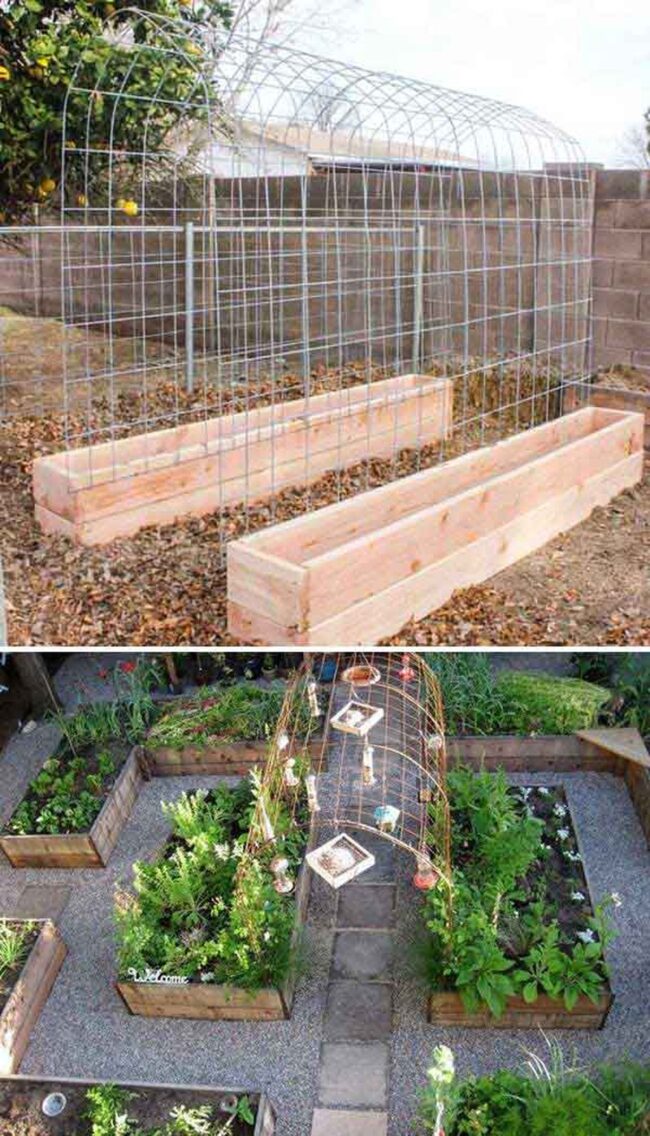
Vertical vegetable gardens revolutionize small outdoor spaces with elegant wooden boxes and strategic trellises that maximize growing potential.
Garden enthusiasts love how these structures create stunning visual landscapes while producing abundant fresh produce.
Smart gardeners can stack multiple levels of planting areas, allowing vegetables like peas, beans, and cucumbers to climb and flourish.
Metal or wooden trellises provide strong support for climbing plants, dramatically increasing crop yield in compact areas.
Raised garden boxes offer superior soil control and drainage, preventing root diseases and promoting healthier plant development.
Careful placement near sunny locations ensures vegetables receive optimal sunlight throughout their growth cycle.
Design elements include choosing complementary wood tones that blend with existing landscape features.
Green Spiral Sanctuary of Herbs
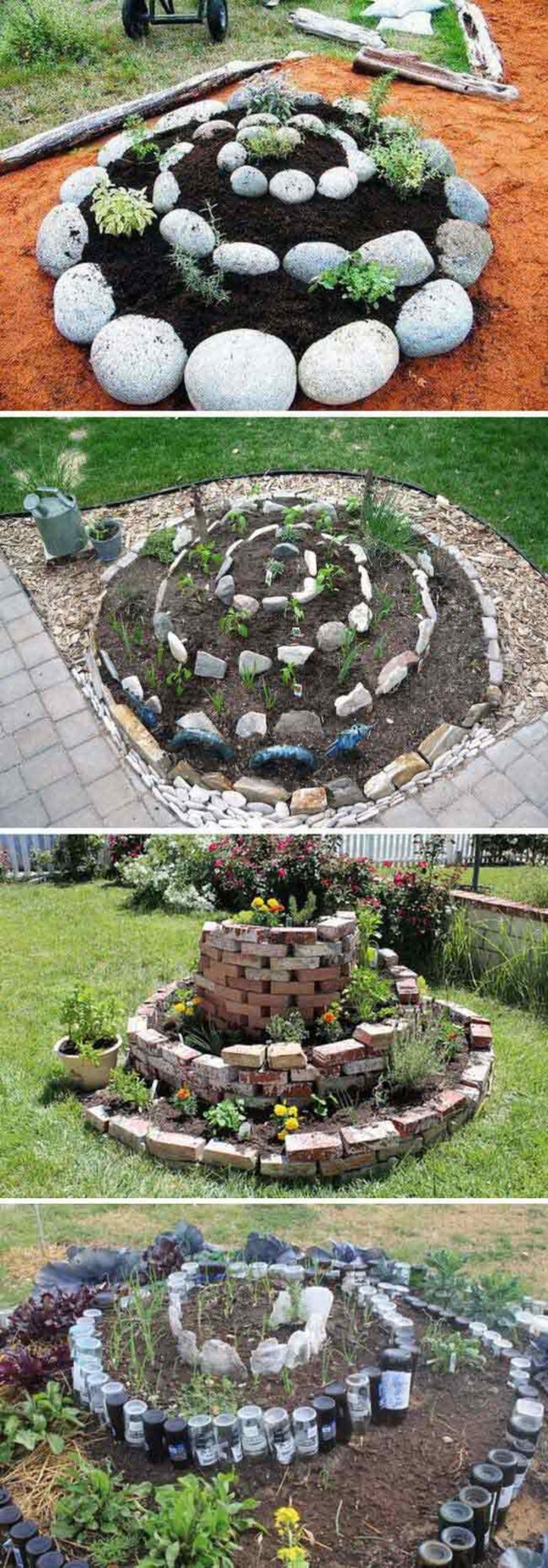
Herb spiral gardens maximize small outdoor spaces with ingenious design, combining sustainability and practicality into one eye-catching landscape feature.
Spiraling upward like a natural architectural marvel, these gardens utilize vertical terrain to grow multiple herb varieties within a compact footprint.
Strategic stone or recycled glass bottle construction creates gradual elevation changes that mimic natural topography and provide microclimates for diverse plants.
Mediterranean herbs thrive near the top where sunlight and drainage are plentiful, while moisture-loving herbs flourish at lower levels with increased water retention.
Native stones or recycled materials form the garden's structure, allowing gardeners to customize shape and size according to available space.
Drainage becomes effortless with the spiral's gentle slope, preventing water stagnation and promoting healthy root systems.
Mediterranean climates work best for these gardens, though adaptable designs can succeed in various environments with proper planning.
Green Pyramid Grows Vertical Garden
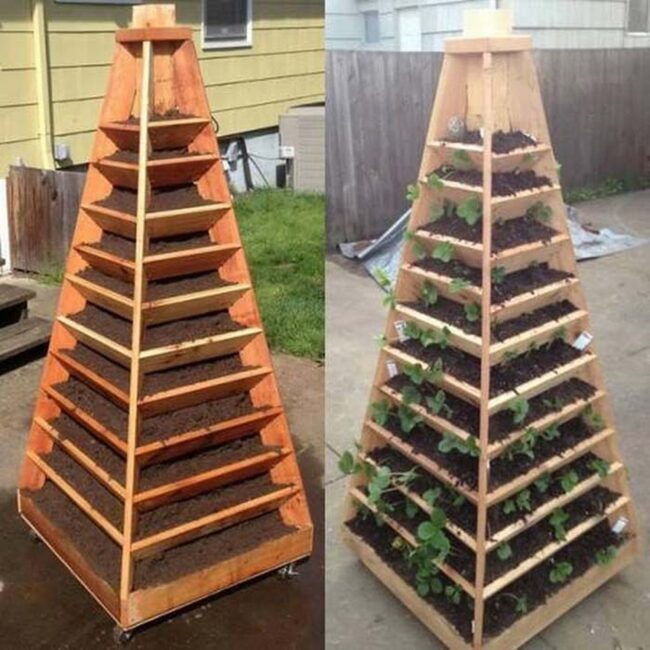
Vertical garden pyramids revolutionize small-space gardening with their ingenious design, allowing strawberries and herbs to flourish in compact areas.
Lightweight construction and smooth-rolling wheels enable effortless repositioning to maximize sunlight and plant growth.
Durable materials like weather-resistant plastic or treated wood ensure long-lasting performance through seasonal changes.
Stackable tiers provide ample room for different plant varieties, from cascading herbs to compact strawberry plants.
Drainage holes prevent water accumulation, promoting healthy root systems and preventing plant rot.
Smart engineering allows each level to receive proper sunlight and moisture, supporting robust plant development.
Affordable and easy to assemble, these garden pyramids offer an accessible solution for urban and suburban gardeners seeking fresh, homegrown produce.
Green Vertical Eden from Wooden Pallets
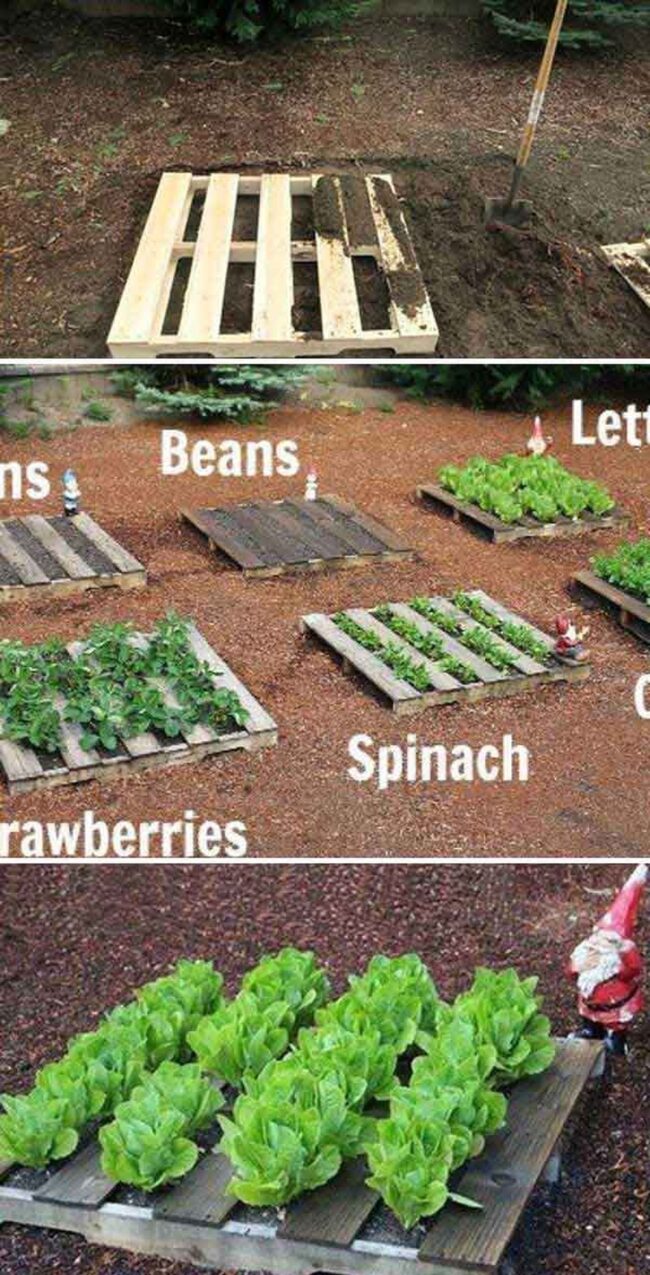
Pallet gardens revolutionize urban gardening by maximizing limited spaces with incredible efficiency, allowing home gardeners to grow abundant vegetables and fruits vertically on repurposed wooden pallets.
Compact balconies and tiny yards become potential green havens through this ingenious method, where spinach, strawberries, and beans thrive in carefully arranged wooden slats.
Wooden pallets provide natural drainage and support, creating ideal growing conditions for herbs, leafy greens, and small fruiting plants that might struggle in traditional garden plots.
Lightweight and portable, these DIY garden structures enable people with minimal outdoor space to cultivate fresh produce without extensive landscaping or expensive equipment.
Verdant Oasis with Vintage Charm
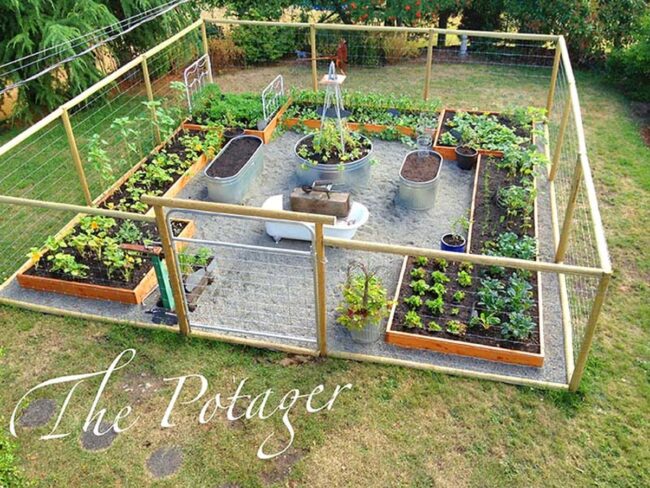
Potager gardens merge edible landscapes with aesthetic charm, offering a delightful sanctuary for growing fresh produce and unwinding.
French-inspired design elements elevate these spaces beyond traditional vegetable plots, incorporating artistic elements like vintage bathtubs and ornate iron bed frames.
Protective deer fencing ensures your carefully cultivated plants remain safe from wildlife intrusions.
Rustic accents like reclaimed wood pathways and antique garden tools add character and nostalgia to the landscape.
Stone borders and carefully planned layouts transform ordinary garden spaces into extraordinary outdoor rooms.
Mediterranean and European gardening traditions heavily influence this elegant approach to cultivating edible landscapes.
Green Garden Fresh Homegrown Bounty
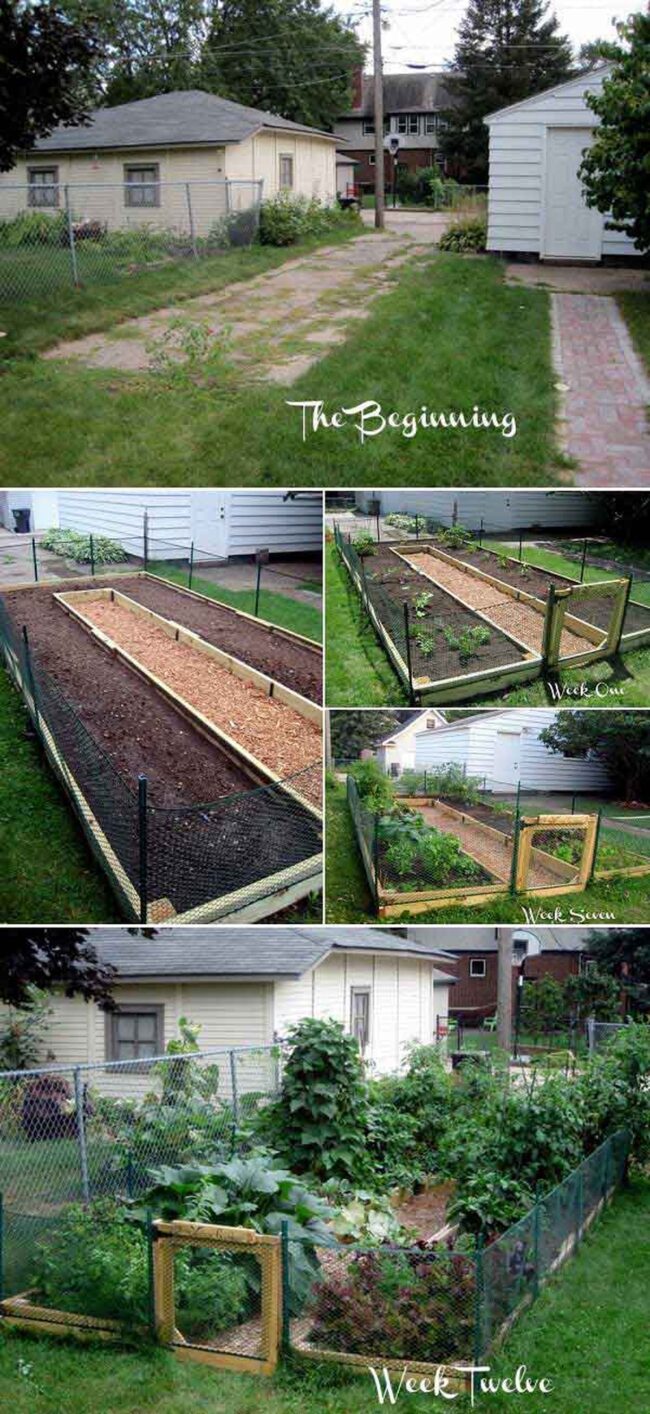
Homegrown vegetables offer unparalleled flavor and nutrition, surpassing store-bought alternatives with their fresh, pesticide-free goodness.
Gardening provides an incredible sense of accomplishment as you nurture plants from tiny seeds to bountiful harvests.
Initial setup costs can seem steep, but the long-term benefits quickly offset the investment through savings on grocery bills and superior produce quality.
Vegetable gardens connect you directly to nature's rhythms, allowing intimate understanding of food production cycles.
Growing your own food reduces environmental impact by eliminating transportation emissions and packaging waste.
Small spaces like balconies or windowsills can host container gardens, making fresh produce accessible to urban dwellers.
Beginner gardeners can start with easy-to-grow vegetables like tomatoes, lettuce, and herbs that require minimal maintenance.
Sustainable gardening practices not only provide delicious meals but also contribute to personal health and environmental conservation.
Green Bounty in Compact Space
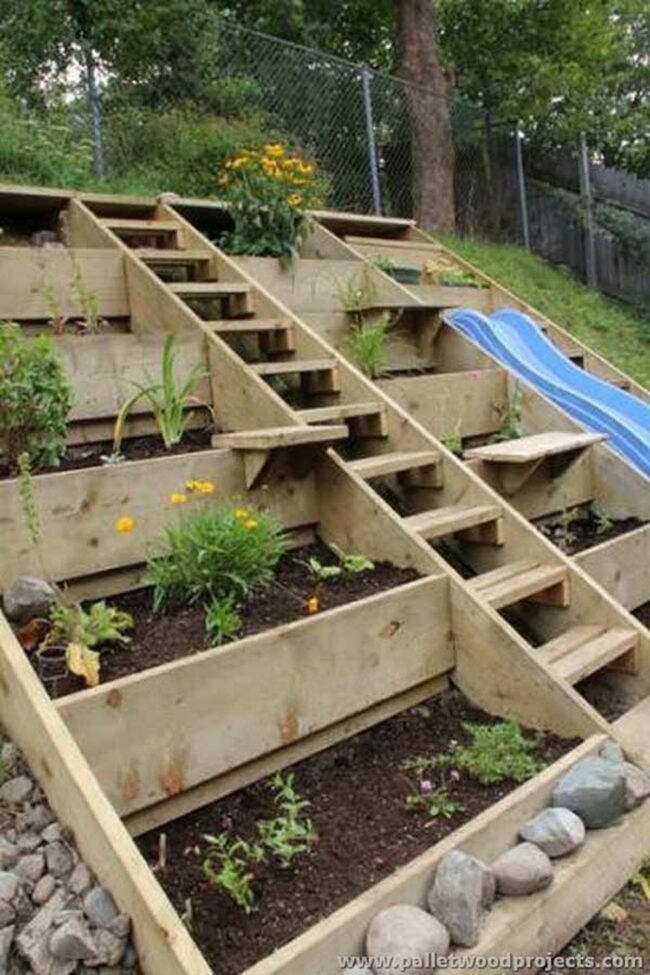
Raised garden beds revolutionize small-space gardening by maximizing growing potential with minimal effort.
Compact wooden structures provide excellent drainage and soil control for home vegetable cultivation.
Wooden frames protect plants from soil compaction and allow precise nutrient management for healthier crops.
Most raised beds measure 4x4 feet, creating perfect spaces for tomatoes, herbs, lettuce, and other compact vegetables.
Constructing these beds requires basic carpentry skills and affordable materials like cedar planks, screws, and quality garden soil.
Simple design elements such as landscape fabric underneath prevent weed growth and ensure proper water drainage.
Strategic placement near kitchen areas encourages regular harvesting and connects you directly with your homegrown produce.
Cobblestone Pathways Sculpt Garden Symphony
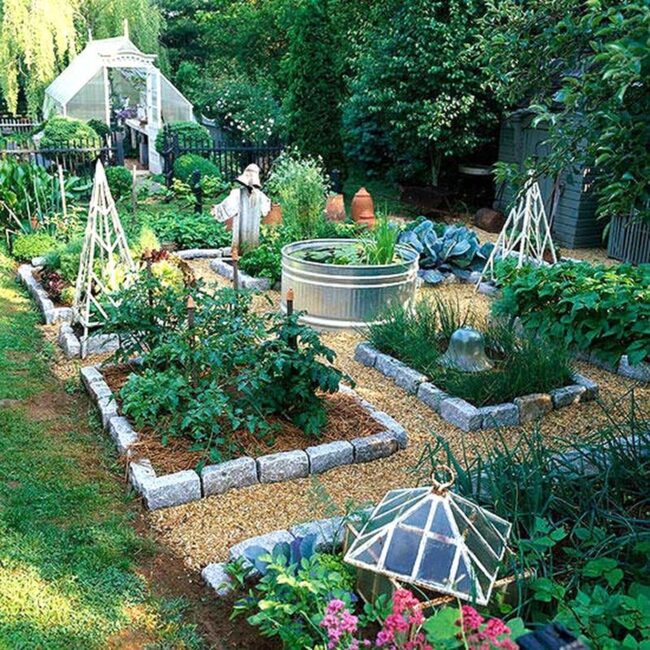
Raised cobblestone garden beds revolutionize landscape design with their charming rustic appeal and exceptional practicality for irregular yard spaces.
Stone pathways elegantly weave between carefully placed beds, creating natural walkways that minimize garden maintenance and maximize visual interest.
Irregular yard shapes transform into organized, beautiful spaces with strategic cobblestone bed placement.
Natural gravel paths connect different garden sections, enhancing overall movement and accessibility.
Cobblestone materials ensure durability and blend seamlessly with surrounding landscape elements.
Weathered Wood Garden Sanctuary Beds
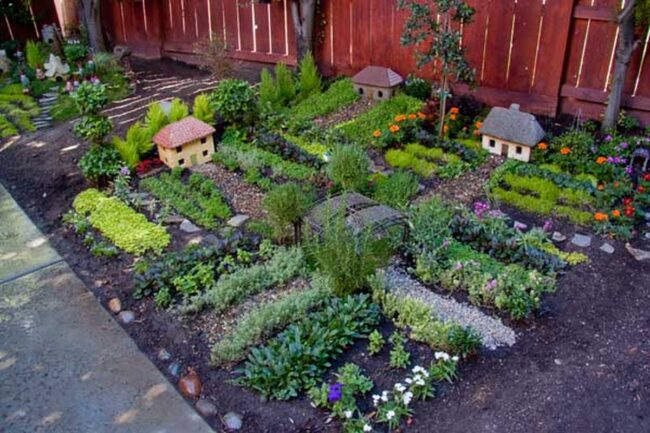
Rustic wooden farmhouse-style raised beds elevate vegetable gardening with charming functionality and aesthetic appeal.
Classic cedar or pine boards create durable garden frames that naturally warm soil faster than ground-level plots.
Raised beds typically measure 3-4 feet wide, allowing comfortable reach from all sides without stepping into growing areas.
Summer vegetables like tomatoes, peppers, and zucchini thrive in these well-organized spaces that maximize small garden territories.
Wood selections such as untreated cedar provide natural resistance to decay and insects, ensuring long-lasting garden infrastructure.
Moisture control becomes simpler with raised designs, helping roots develop stronger and plants grow more vigorously.
Simple construction techniques mean even novice gardeners can build beautiful, productive vegetable gardens that enhance outdoor living spaces.
Green Layers Symphony Garden Design
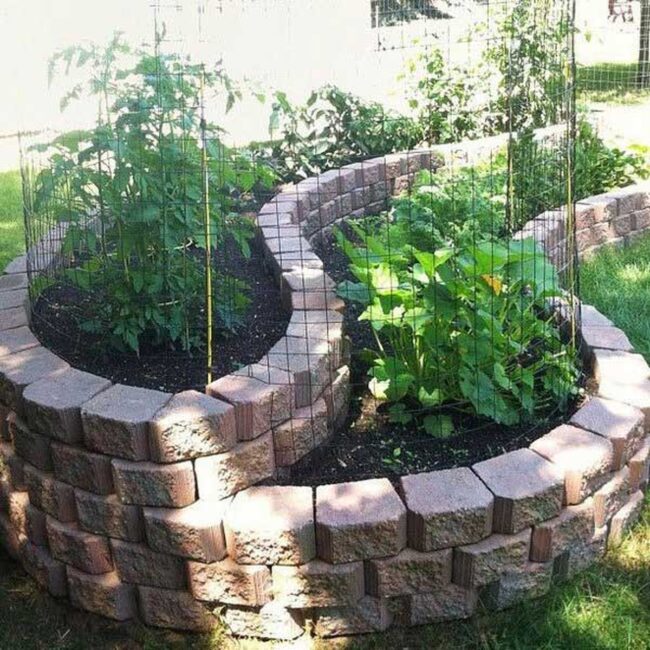
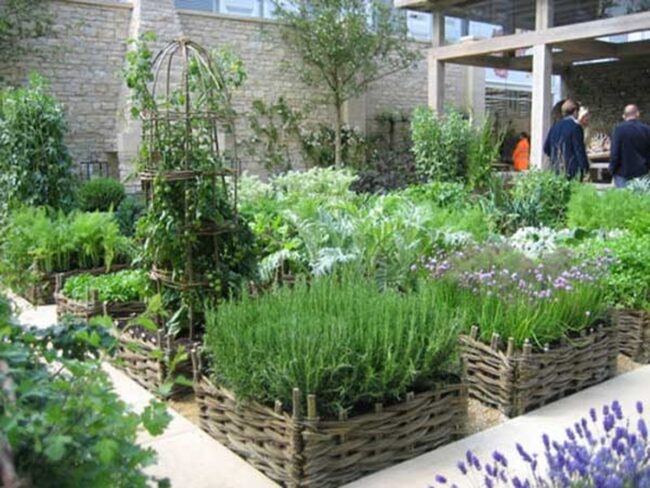
Layered garden designs revolutionize landscaping by maximizing space and visual appeal through strategic plant placement.
Colorful perennials and herbs nestled in front add vibrant texture and interest to the overall composition.
Strategic positioning allows multiple plant species to coexist harmoniously, with each layer receiving optimal sunlight and nutrients.
Vegetable gardens especially benefit from this method, enabling more productive harvests in compact areas.
Mixing different leaf shapes, flower colors, and plant sizes creates a dynamic landscape that looks professionally designed.
Dwarf shrubs and ground covers help fill gaps, preventing soil erosion and suppressing weed growth.
Carefully planned layering transforms ordinary gardens into lush, multidimensional outdoor spaces that delight the senses.
Green Sanctuary Shelters Winter Harvest
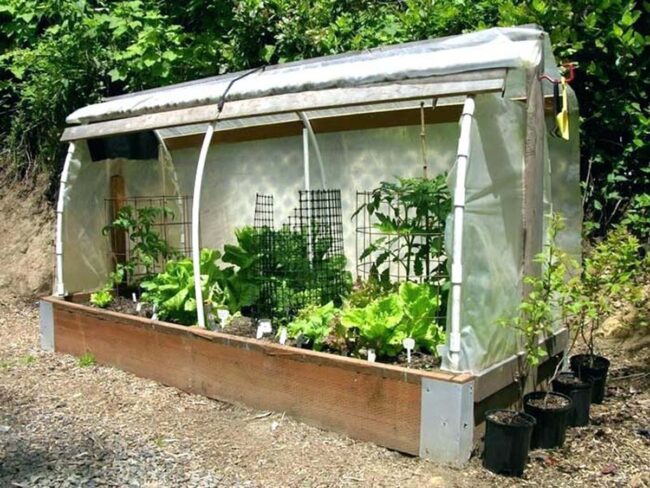
Raised beds topped with clear plastic arches create microclimates that shield delicate vegetables from freezing temperatures and wind damage.
Simple PVC pipes and greenhouse plastic form the lightweight frame, allowing maximum sunlight penetration while maintaining optimal growing conditions.
Strategic design enables plants to thrive beyond traditional seasonal limits, producing fresh vegetables even during winter months.
Cold-tolerant crops like kale, spinach, and carrots particularly benefit from this innovative gardening technique.
Minimal construction skills and affordable materials make hoop houses accessible to backyard gardeners of all experience levels.
Weekend DIY enthusiasts can complete most projects in just a few hours with basic tools and minimal investment.
Low-maintenance structures provide substantial returns by dramatically increasing vegetable production and extending edible harvests throughout challenging seasons.
Green Grid Garden Zones
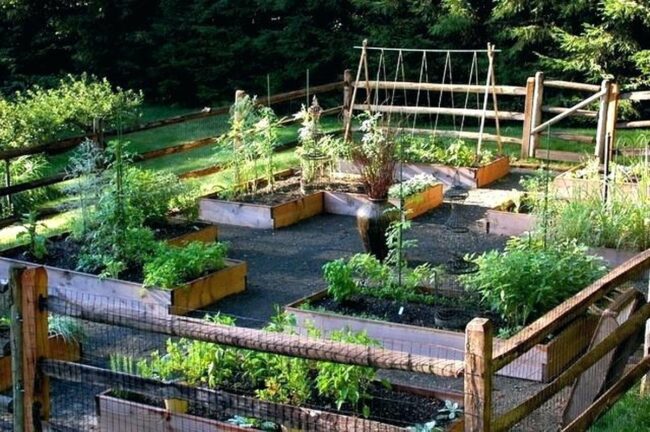
Garden enthusiasts can maximize limited outdoor spaces through strategic design and clever plant placement.
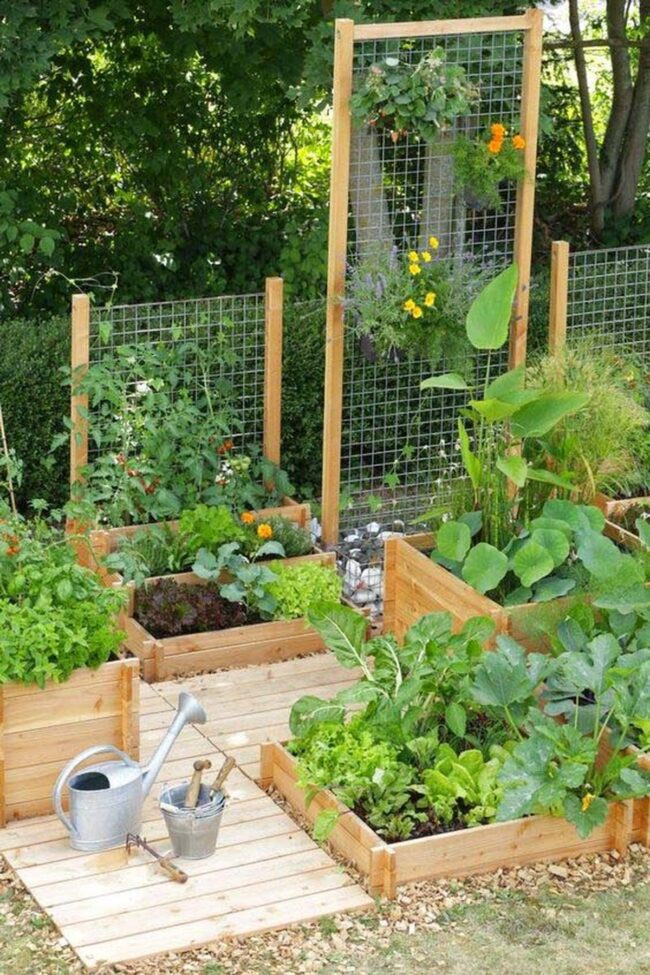
Wooden low fences paired with wire boundaries create clean, organized zones that maximize visual appeal and functionality.
Compact wooden boxes strategically positioned allow multiple plant varieties to thrive in small areas.
Narrow pathways between garden sections provide easy navigation and access to each carefully curated growing area.
Vertical gardening techniques help utilize every inch of available space, enabling more plants in smaller footprints.
Herb sections nestled near vegetable plots encourage companion planting and efficient garden management.
Color-coordinated containers add visual interest while maintaining a cohesive landscape design.
Raised beds with different heights introduce dimension and depth to compact garden layouts.
Green Stairs Garden Vertical Palette
Wooden pallets offer gardeners a brilliant solution for maximizing sloped landscapes through creative stair-step planting designs.
Garden enthusiasts can craft multilevel planters that maximize vertical space while adding rustic charm to outdoor areas.
Repurposing wooden pallets provides an eco-friendly approach to gardening that saves money and reduces waste.
Herb and vegetable gardens thrive in these tiered sections, allowing multiple plant varieties to grow in compact spaces.
Natural wood tones complement surrounding landscape elements, creating a seamless outdoor aesthetic without requiring additional painting or treatment.
Constructing the planter requires basic woodworking skills, standard tools, and careful pallet selection to ensure structural integrity.
Measuring and securing each wooden level ensures stability and prevents soil erosion during watering.
Vertical Green Bean Garden Sanctuary
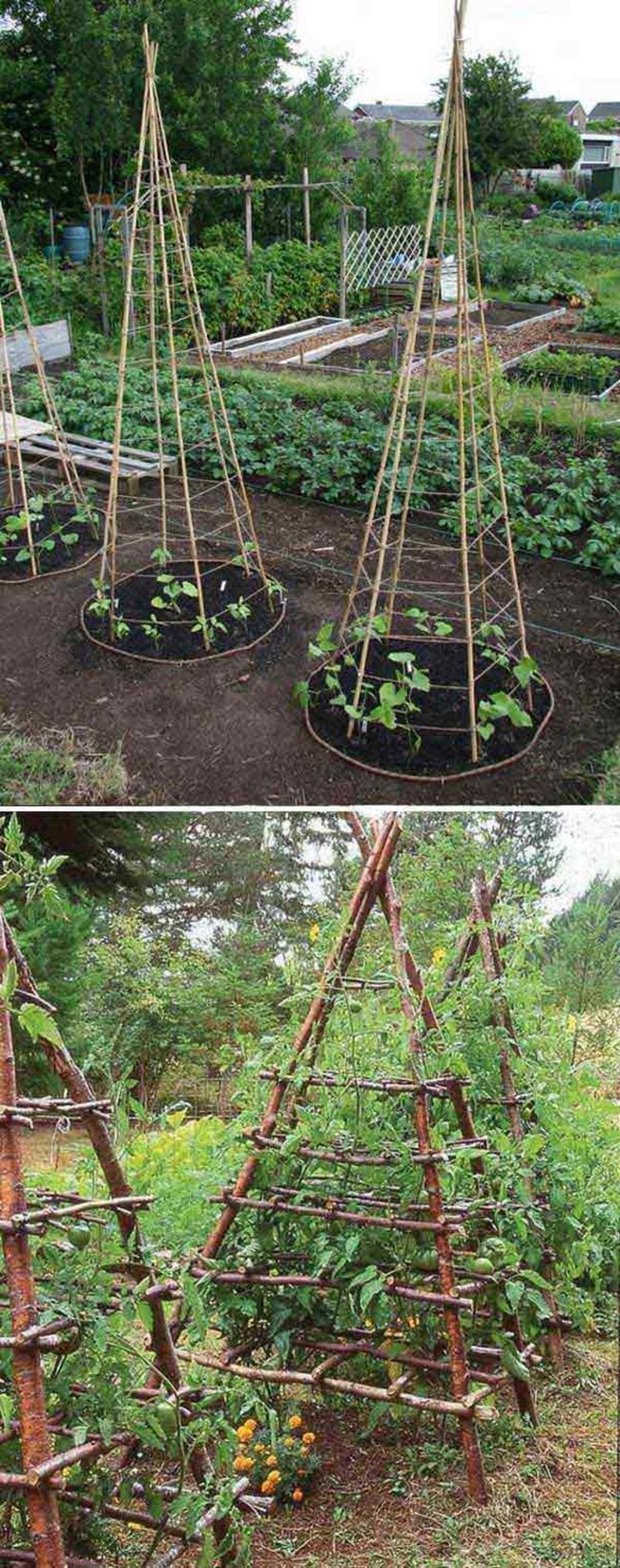
Green bean teepees create magical garden spaces where climbing vegetables thrive in compact areas while delighting children with their whimsical design.
Bamboo poles or sturdy wooden stakes form the structural framework, carefully arranged in a cone shape and secured at the base to support tender bean vines.
Planting seeds around each pole's base allows young plants to grasp and wind upward, creating a lush green structure that resembles a natural tent.
Kids especially enjoy watching beans emerge and mature along these living structures, transforming garden spaces into interactive learning environments.
Vegetable trellises like these maximize garden efficiency by utilizing vertical growing techniques that increase crop yields in small spaces.
Maintenance requires occasional gentle guidance of bean tendrils and regular watering to support healthy growth.
Liam Patel
Senior Editor & DIY Craftsman
Expertise
DIY home decor, interior design, budget-friendly styling, sustainable upcycling, creative crafting, editorial writing
Education
Pratt Institute, Brooklyn, NY
Liam Patel is the Senior Editor at Archeworks.org, where he shares creative DIY and home decor ideas. With a degree in Interior Design and years of experience in home styling, Liam focuses on easy, budget-friendly projects that make spaces personal and beautiful.
Liam’s tutorials, styling tips, and affordable solutions help readers design homes they love. He believes decorating is about self-expression and encourages everyone to embrace the joy of creating.