
25 Tree & Shrub Ideas for Year-Round Beauty

Gardens can transform into vibrant canvases when adorned with long-blooming trees and shrubs that paint landscapes with continuous color throughout the seasons.
Gardeners and landscape enthusiasts often seek botanical companions that promise extended visual interest and stunning aesthetic appeal beyond fleeting moments of traditional flowering periods.
Perennial woody plants with prolonged blooming characteristics become magical investments that breathe life and dynamism into outdoor spaces, creating living artworks that evolve and enchant throughout different climatic conditions.
These remarkable botanical specimens possess unique genetic traits that enable them to produce blossoms, colorful foliage, or distinctive textures across multiple months or even throughout entire years.
Strategic selection of such plants can dramatically elevate garden designs, providing consistent visual stimulation and transforming mundane landscapes into extraordinary botanical experiences.
Landscaping professionals and home gardeners appreciate these extraordinary plants for their ability to minimize maintenance while maximizing aesthetic potential.
Crimson Berries Hawthorn Garden Delight
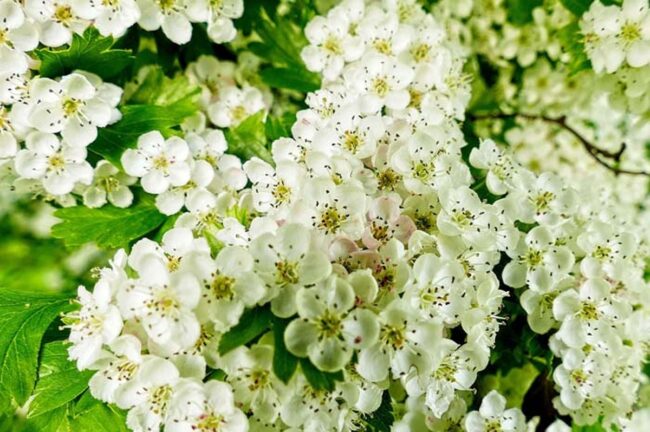
Hawthorn trees captivate gardens with magnificent white blossoms bursting across branches in mid-spring, creating a spectacular natural display that attracts pollinators and local wildlife.
Native to Europe and North America, these hardy trees produce clusters of delicate flowers that quickly transform into clusters of bright red berries lasting through winter months.
Ornamental qualities make hawthorns essential landscape additions for gardeners seeking low-maintenance plants with multi-seasonal interest.
Wildlife like birds and small mammals eagerly feast on berries, ensuring constant garden activity throughout colder seasons.
Mature trees reach heights between 15-25 feet, offering perfect scale for smaller residential landscapes.
Landscape designers appreciate hawthorns for their adaptable nature, thriving in various soil conditions from clay to sandy environments.
Most species prefer full sun exposure but tolerate partial shade without compromising health or aesthetic appeal.
Blue Hydrangea Crowns Garden Paradise
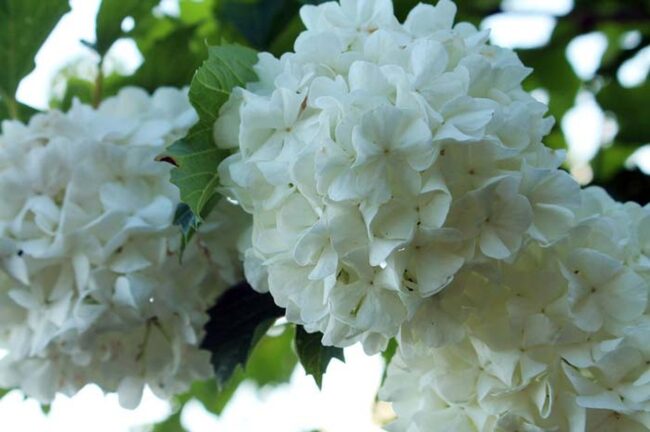
Hydrangea paniculata offers gardeners a spectacular flowering shrub that thrives in diverse landscapes across North America and Asia.
Massive cone-shaped flower clusters burst with creamy white to pink blossoms during midsummer, creating dramatic visual impact in gardens and landscapes.
Hardy varieties can withstand challenging climate conditions, making them perfect for novice and experienced gardeners alike.
Easy maintenance requires minimal pruning and basic soil nutrition, helping plants establish strong root systems quickly.
Most hydrangea varieties grow between 6-10 feet tall, providing substantial garden structure and visual interest.
Optimal growing conditions include partial sunlight and well-draining soil with slight acidity, allowing robust flowering and healthy plant development.
Landscape designers appreciate these plants for their versatility in creating stunning borders, privacy screens, and focal points.
Soft Pink Roses Dancing Garden Border
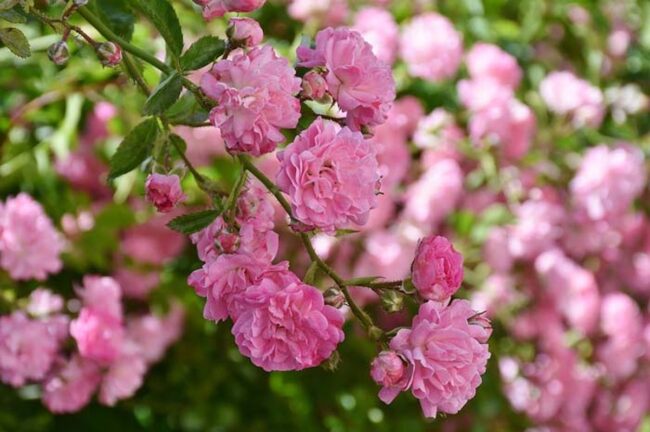
Shrub rose borders create stunning garden landscapes with minimal effort and maximum impact.
Rose varieties like David Austin's English Roses offer spectacular blooms that range from delicate pink to deep crimson, providing continuous color throughout spring and summer seasons.
Hardy plant selections thrive in multiple climate zones, requiring only basic maintenance like occasional pruning and standard fertilization.
Compact growth patterns make these roses perfect for defining garden edges and creating natural boundaries between landscape sections.
Fragrant blossoms emerge in clusters, releasing sweet scents that transform ordinary outdoor spaces into sensory retreats.
Mulching around rose roots helps retain moisture and suppress weeds, ensuring healthy plant development.
Strategic placement near walkways or seating areas maximizes visual appeal and allows you to enjoy their beauty up close.
White Dogwood Blossoms Spread Springtime Magic
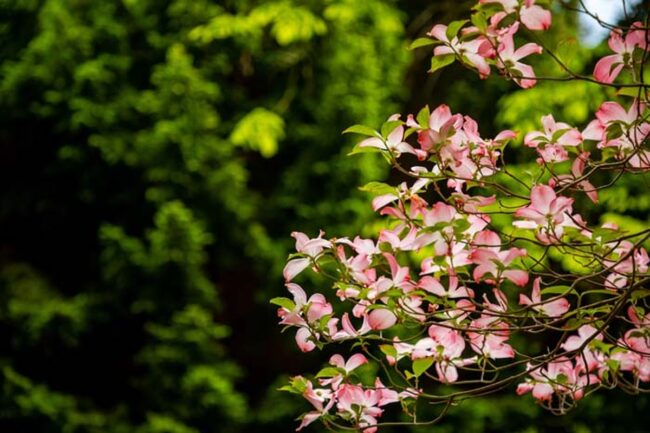
Dogwood trees stand as magnificent landscape centerpieces with breathtaking white or pink blossoms that create dramatic spring displays across North American gardens.
Native to eastern United States woodlands, these elegant trees offer spectacular seasonal interest through delicate four-petal flowers emerging before lush green leaves develop.
Mature specimens reach impressive heights between 15-30 feet, providing substantial shade and visual drama for residential landscapes.
Botanical experts recommend planting dogwoods in partially shaded areas with well-draining acidic soil to ensure optimal growth and health.
Garden designers appreciate their moderate size and elegant branching structure, which works beautifully in woodland-style or naturalistic landscape designs.
Flowering periods typically occur during April and May, creating stunning visual displays that attract pollinators like butterflies and small birds.
Established dogwood trees require minimal maintenance beyond occasional pruning and consistent moisture during dry periods.
Crimson Blossom Explosion Landscape
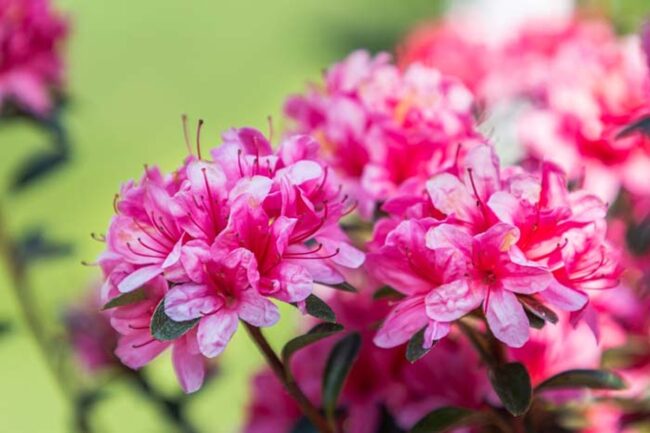
Rhododendron and azalea plants burst with spectacular color, creating garden masterpieces that stop people in their tracks.
Dense, lush petals emerge in stunning clusters that range from deep crimson to soft lavender, capturing botanical drama in mere inches of space.
Native to mountainous regions across Asia and North America, these flowering shrubs thrive in acidic, well-draining soil with partial shade protection.
Mature rhododendrons reach impressive heights between 4 and 20 feet, depending on specific varieties and growing conditions.
Blooming periods typically span four to six weeks, offering prolonged visual excitement for landscape enthusiasts.
Most species prefer cool, moist environments and require consistent moisture without waterlogged roots.
Proper care includes annual mulching, strategic pruning, and protection from harsh winter winds to ensure robust, healthy growth.
Pink Almond Blossoms Dancing Gardens
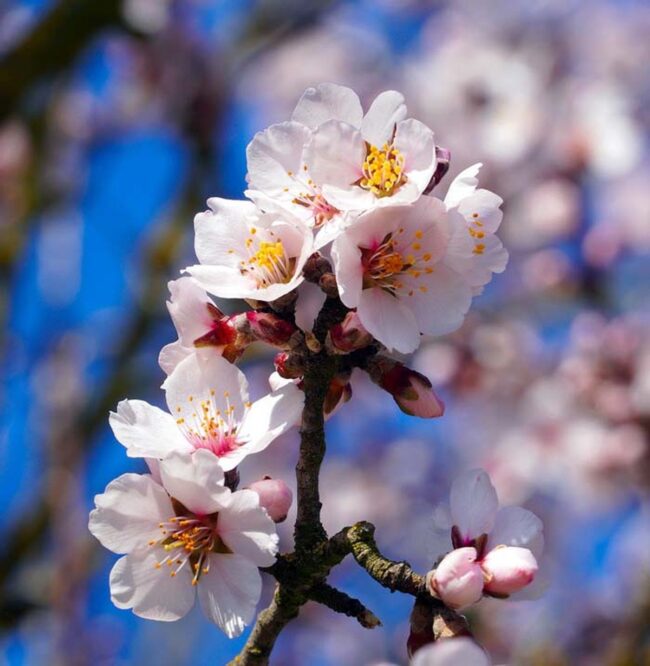
Flowering almonds burst with gorgeous pink blossoms that create magical springtime landscapes across gardens and landscapes.
Japanese and Korean native trees reach heights between 10-15 feet, offering compact elegance for smaller outdoor spaces.
Delicate clusters of pink flowers emerge early in spring, typically before leaves appear, providing stunning visual interest when most plants remain dormant.
Prunus glandulosa thrives in hardiness zones 4-8, preferring well-draining soil and partial to full sunlight conditions.
Multiple cultivars exist, including double-flowering varieties with extra-dense petal arrangements that maximize visual impact.
Minimal pruning requirements make this plant ideal for landscaping enthusiasts seeking beautiful, easy-care options.
Mature trees produce minimal fruit and provide excellent ornamental value throughout spring and early summer seasons.
Yellow Forsythia Explosion Spring Awakening
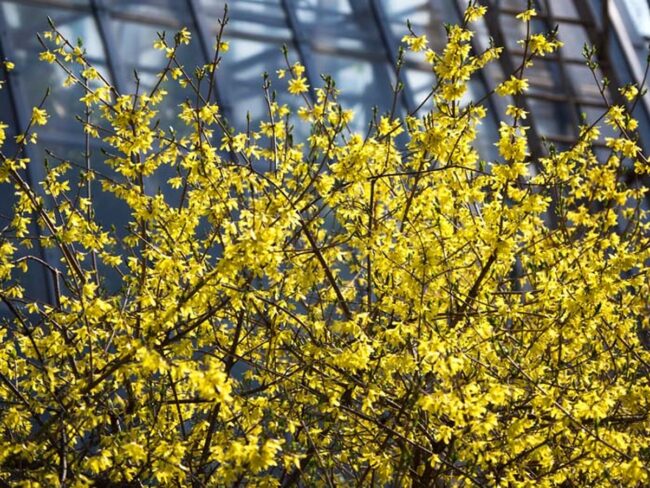
Forsythia shrubs burst with golden-yellow blossoms, signaling spring's spectacular arrival across gardens and landscapes.
Native to East Asia, these resilient plants offer gardeners an effortless solution for adding dramatic color to outdoor spaces.
Blooming before leaves emerge, forsythia branches create a stunning golden display that transforms dull winter landscapes into vibrant scenes of natural beauty.
Surprisingly low-maintenance, these hardy shrubs can adapt to multiple soil types and light conditions with remarkable ease.
Pruning should occur immediately after flowering to maintain shape and encourage robust future growth.
Most varieties reach heights between 8-10 feet, creating natural privacy screens or striking background plantings.
Landscapers and home gardeners alike cherish forsythia for its reliable, dramatic spring performance that requires minimal effort.
Misty Pink Clouds Floating Softly
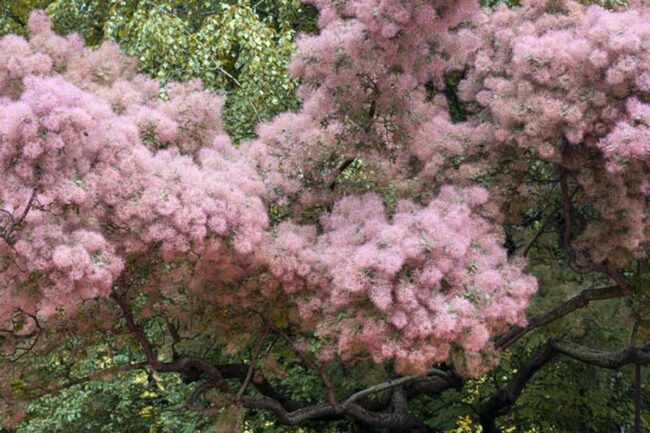
Smoke trees captivate gardeners with their mesmerizing appearance, featuring delicate flower clusters that resemble ethereal pink wisps drifting above intricate branches.
Native to Southern Europe and parts of Asia, these remarkable plants thrive in various landscapes, offering unparalleled versatility for landscape design.
Rich purple or green foliage provides stunning seasonal color transformations, creating dramatic visual interest throughout summer and autumn months.
Botanical experts appreciate the smoke tree's remarkable adaptability to different soil conditions and moderate sunlight requirements.
Mediterranean and temperate regions offer ideal growing environments for these elegant botanical specimens.
Pruning techniques can help maintain desired shape and size, encouraging healthy growth and spectacular flower production.
Landscape designers frequently recommend smoke trees as focal points in gardens, thanks to their unique aesthetic and low-maintenance characteristics.
White Flowers, Crimson Berries, Dancing Dogwood
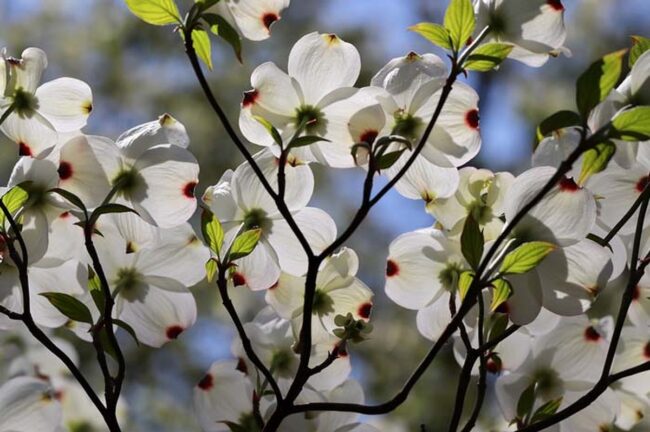
Hyperion dogwood stands out as a spectacular landscape marvel, boasting enormous white flowers that burst into bloom during springtime and command immediate attention.
Spectacular seasonal changes mark this tree's incredible journey, with vibrant red berries emerging after the initial flowering and breathtaking purple-orange leaves dramatically transforming the landscape in autumn.
Native to North America, this remarkable tree thrives in woodland settings and partial shade conditions, offering gardeners a low-maintenance option for adding dramatic visual interest.
Mature specimens can reach impressive heights of 15-25 feet, creating a stunning focal point in any garden design.
Wildlife enthusiasts appreciate how the tree attracts birds and pollinators throughout its annual cycle.
Botanical experts recommend planting Hyperion dogwood in well-draining soil with moderate moisture for optimal growth and health.
Scarlet Branches Ablaze With Endless Flowers
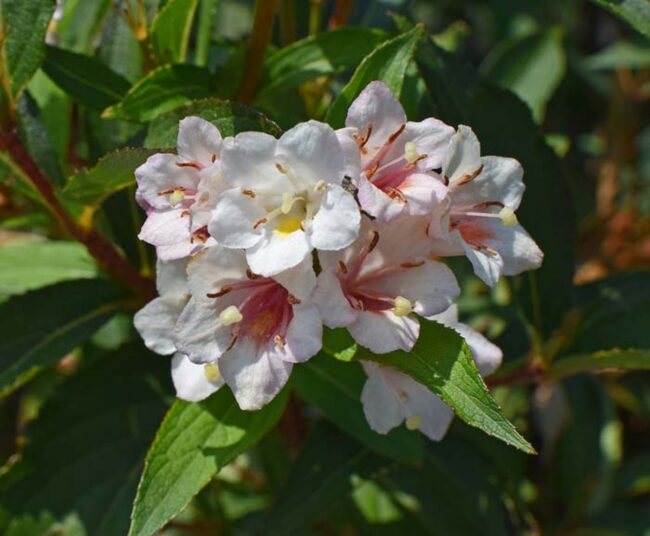
Glossy abelia captivates gardeners with its spectacular flowering display spanning June through October, showcasing delicate pink-white blossoms that attract butterflies and pollinators.
Landscaping experts prize this hardy shrub for its remarkable adaptability across diverse climate zones, thriving in full sun or partial shade with minimal maintenance requirements.
Distinctive dark green leaves contrast beautifully against rich red branches, creating visual interest throughout seasonal changes.
Native to Eastern Asia, abelia produces small, bell-shaped flowers that emerge in graceful clusters, adding elegant charm to garden borders and hedgerows.
Drought-tolerant characteristics make this plant an ideal selection for water-conscious gardeners seeking low-maintenance landscape solutions.
Mature specimens typically reach 3-6 feet in height, forming compact rounded shapes that complement various garden design styles.
Pruning needs remain minimal, with occasional light trimming helping maintain desired shape and encouraging robust growth.
Pink Blossom Symphony Garden Magic
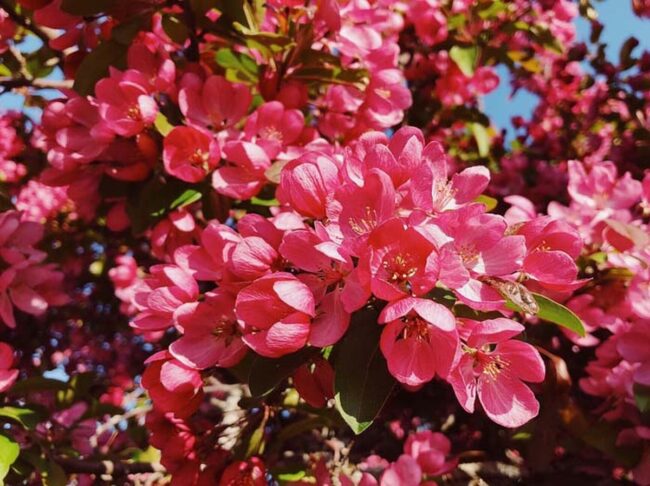
Flowering crabapple trees burst with spectacular blossoms, creating a breathtaking landscape centerpiece that attracts wildlife and delights gardeners.
Native to North America, these compact trees blend elegance and practicality with their manageable size and stunning spring display.
Delicate pink or white flowers cover branches for about five weeks, transforming gardens into living canvases of color and texture.
Mature trees typically reach 15-25 feet tall, making them ideal for smaller yards or ornamental spaces.
Robust varieties thrive in hardiness zones 4-8, offering excellent adaptability across different climates.
Tiny fruits follow the flowering phase, drawing birds and adding visual interest to your outdoor environment.
Landscape designers prize these trees for their multiple seasonal attributes and low maintenance requirements.
Selecting cultivars depends on specific regional conditions and personal aesthetic preferences.
Soft Pink Cherry Blossoms Dancing
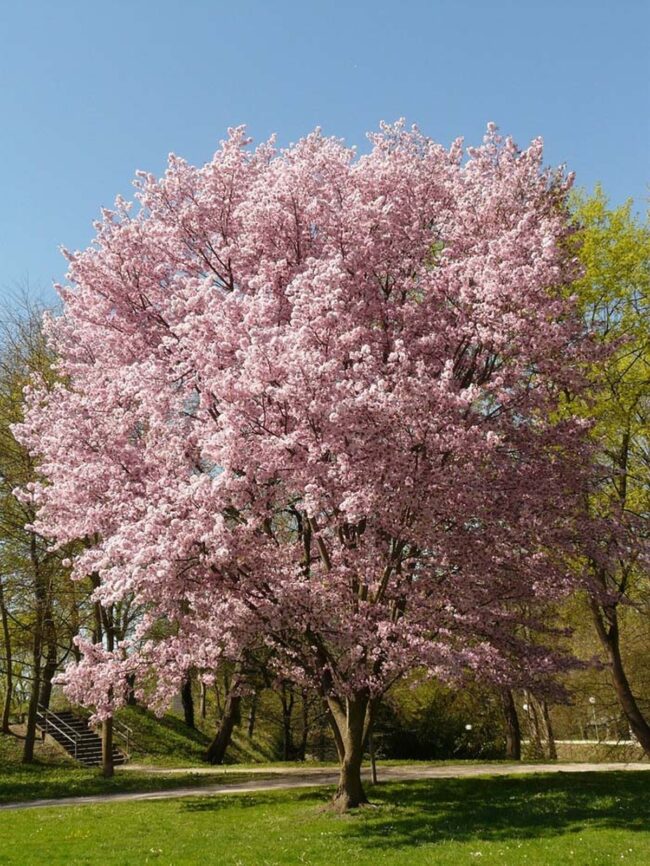
Flowering cherry trees captivate gardeners with their mesmerizing spring blossoms, painting landscapes in delicate pink hues that shimmer and sway with gentle breezes.
Native to Japan, these ornamental trees bring extraordinary beauty to landscapes across North America and Europe.
Elegant branches burst with clusters of soft petals, creating a dreamy canopy that transforms ordinary spaces into magical scenes.
Cherry blossoms typically appear in early spring, signaling nature's renewal and attracting pollinators like bees and butterflies.
Mature trees can reach impressive heights between 20 to 40 feet, offering substantial shade and visual drama to yards and parks.
Specialized varieties like Yoshino and Kwanzan cherries provide different bloom styles and colors for landscape enthusiasts.
These trees thrive in well-drained soil with full sun exposure and require moderate pruning to maintain health and shape.
Pink Myrtle Butterfly Garden Delight
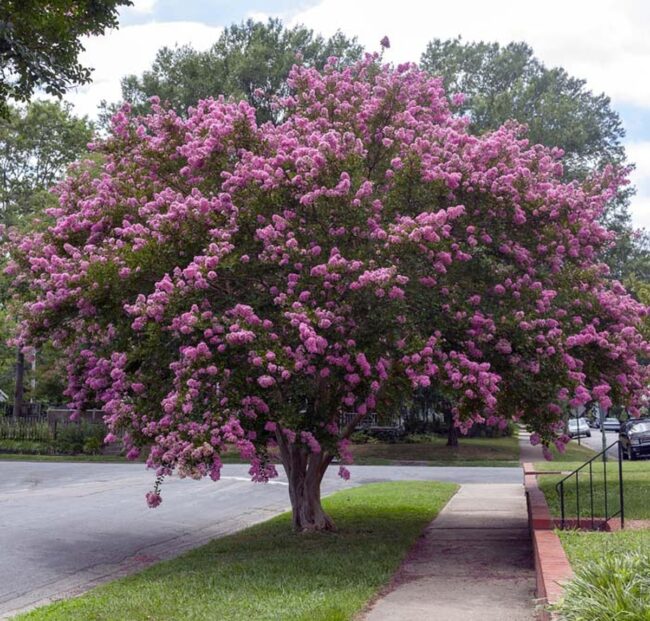
Crape myrtle captivates gardens with breathtaking pink and purple blossoms that sparkle like jewels during summer months.
Native to Asia, this ornamental tree thrives in warm climates and requires minimal maintenance for maximum visual impact.
Pollinators adore its clusters of delicate flowers, drawing butterflies and bees that bring life to outdoor spaces.
Mature trees reach heights between 15 to 25 feet, offering dramatic landscaping options for residential yards.
Blooming from July through September, crape myrtles provide extended color and interest when many other plants have faded.
Specific varieties range from dwarf shrubs to towering specimens, allowing gardeners to select perfect sizes for their landscape design.
Pruning helps maintain shape and encourages robust flowering, though excessive trimming can reduce blossoms.
Light requirements include full sun exposure, making these trees ideal for warm, open areas with well-draining soil.
Purple Spikes Bloom Summer Landscape
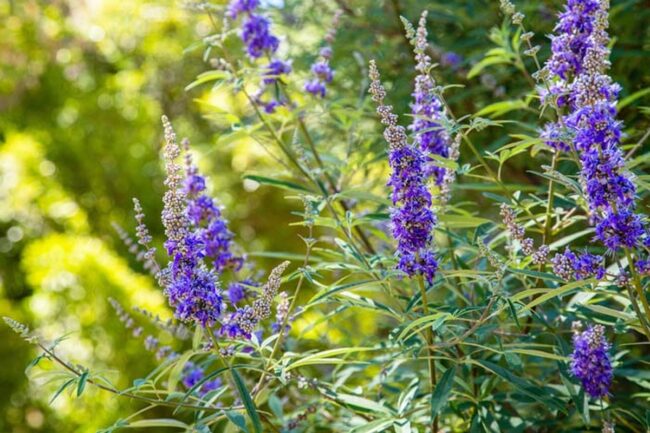
Chaste trees bloom with stunning purple clusters that command attention in gardens across warm regions like Texas and Florida.
Native to Mediterranean areas, these distinctive shrubs reach heights between 10 and 15 feet with minimal maintenance requirements.
Delicate lavender flowers emerge in long, cone-shaped spikes during summer months, attracting butterflies and pollinators with their sweet scent.
Silvery-green foliage provides elegant backdrop to the dramatic floral display, creating visual interest even when blossoms are not present.
Mature plants thrive in full sun and tolerate drought conditions, making them excellent choices for low-water landscapes.
Pruning helps maintain desired shape and encourages more abundant flowering throughout the season.
Botanical name vitex agnus-castus signals this plant's rich history in traditional medicine and ornamental gardening.
Golden Cascade of Sunshine Blooms
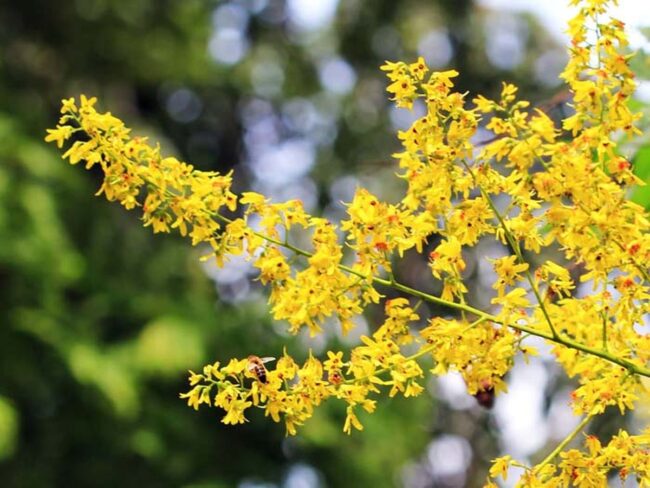
Goldenrain trees burst with brilliant yellow blossoms that cascade like vibrant curtains across lush green landscapes, captivating garden enthusiasts with their extraordinary beauty.
Native to China and Korea, these remarkable trees thrive in zones 5-9, offering spectacular visual interest from midsummer through early autumn.
Delicate clusters of sunny flowers create a mesmerizing canopy that attracts pollinators and transforms ordinary outdoor spaces into enchanting retreats.
Mature specimens reach heights between 20-30 feet, providing ample shade and elegant structure for residential landscapes.
Moderate growth rates and adaptable nature make goldenrain trees ideal for smaller yards or urban gardens seeking dramatic botanical impact.
Their distinctive papery seed pods add winter interest, appearing like hanging lanterns after flower petals fade.
Low-maintenance characteristics ensure gardeners can enjoy maximum aesthetic appeal with minimal effort.
Magnolia Magic White Blossoms Bloom
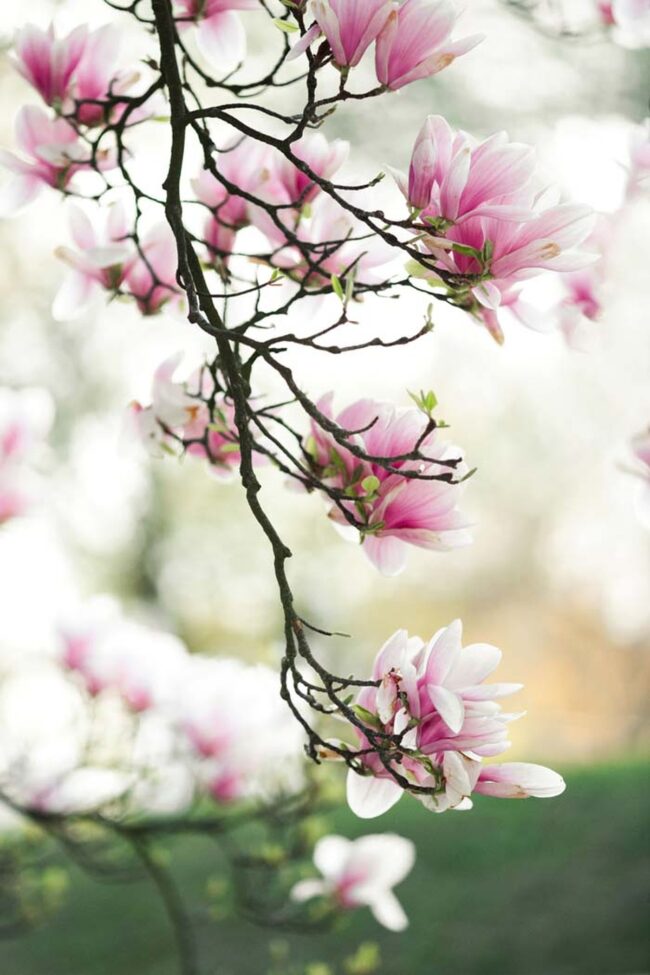
Southern magnolia trees grace gardens with luxurious greenery and mesmerizing botanical charm, creating a natural sanctuary that captivates landscape enthusiasts.
Magnificent pink and white blossoms emerge each spring, releasing intoxicating fragrances that dance through surrounding spaces and mark nature's elegant seasonal transformation.
Delicate petals cascade gently, leaving behind a subtle perfume that whispers memories of warmer months and southern landscapes.
Mature trees provide substantial shade, offering peaceful retreats where individuals can escape daily pressures and connect with natural rhythms.
Broad, glossy leaves maintain their deep green color throughout most seasons, ensuring continuous visual appeal and structural interest in outdoor environments.
Native to southeastern United States, these magnificent trees thrive in warm climates with sufficient moisture and moderate sunlight exposure.
Summer White Clusters Seven-Son Flower
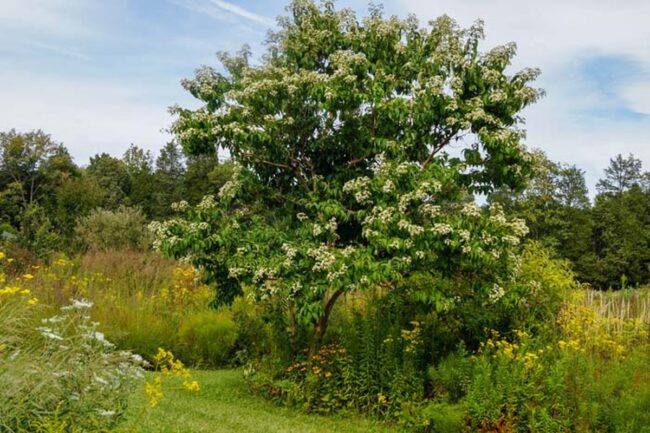
Seven-son flower trees captivate gardeners with spectacular white blossom clusters that dance across verdant green foliage during mid to late summer months.
Native to China, heptacodium miconioides offers dramatic landscape appeal with its distinctive peeling bark and multi-stemmed structure.
Delicate flower clusters emerge in elegant bunches, creating a mesmerizing display that attracts pollinators like butterflies and bees.
Mature specimens reach heights between 15-20 feet, making them ideal for smaller gardens or as striking ornamental focal points.
Autumn brings additional interest when flowers fade and reddish-purple calyces provide continued visual drama against declining landscape colors.
Hardy in zones 5-9, these resilient trees thrive in full sun to partial shade conditions with moderate moisture requirements.
Landscape designers prize seven-son flower trees for their unique architectural form and extended seasonal interest.
Frothy White Blossoms Dancing Skyward
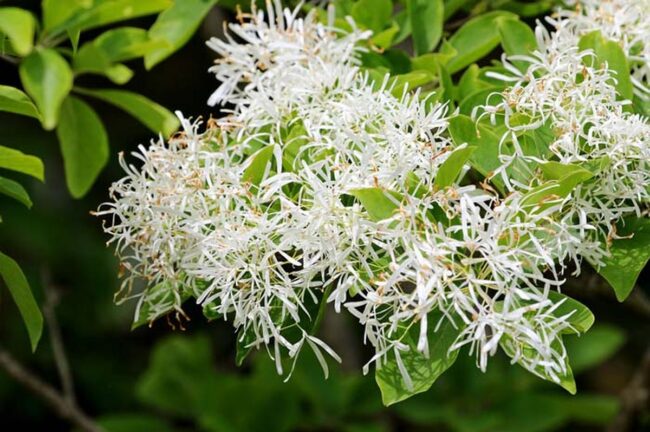
Chionanthus virginicus, known as the American fringe tree, stands as a breathtaking native landscape treasure that captivates gardeners with its extraordinary white blossoms.
Mature specimens reach impressive heights between 12 and 20 feet, creating dramatic focal points in woodland gardens and naturalistic settings.
Delicate, lacy flower clusters hang like ethereal curtains, transforming branches into cascading white plumes during late spring and early summer.
Native to eastern United States landscapes, this deciduous tree thrives in partial shade and well-draining soil conditions.
Graceful branches spread wide, offering subtle elegance and providing perfect habitat for local pollinators and songbirds.
Botanical enthusiasts appreciate its low-maintenance nature and resistance to most pest problems.
Dark blue fruit follows the spectacular flowering period, attracting wildlife and adding seasonal interest.
Pink Blossoms Dancing on Branches
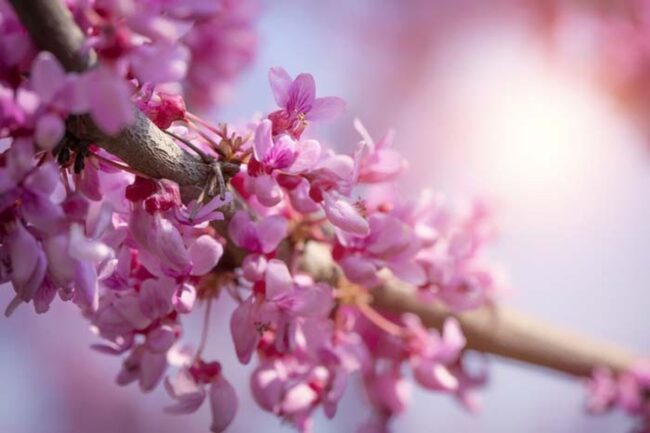
Magnificent Eastern redbud trees burst with delicate pink blossoms that create a breathtaking landscape spectacle each spring.
Native to North America, these enchanting trees bloom twice during the season, providing extended visual delight for landscape enthusiasts.
Compact and adaptable, redbuds thrive in various soil conditions and prefer partial shade to full sun exposure.
Small clusters of tiny flowers emerge directly on branches before leaves appear, creating a unique and dramatic display.
Wildlife lovers appreciate how these trees attract pollinators like bees and butterflies to their gardens.
Mature redbuds typically reach 20-30 feet tall with a rounded, spreading canopy that offers gentle shade.
Most species grow relatively quickly and can establish themselves within several years after planting.
Feathered White Blossoms Red Spiked
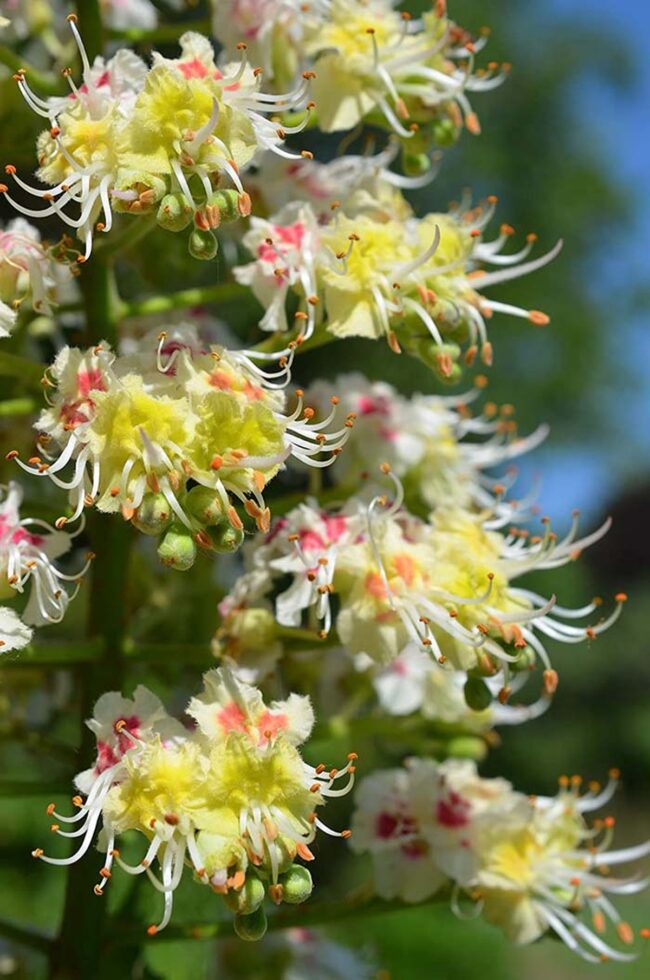
Japanese horse chestnut trees captivate gardeners with their spectacular white flower clusters highlighted by delicate red accents, standing as stunning landscape centerpieces that reach impressive heights near 30 feet.
Robust branches spread wide, creating natural shade havens perfect for relaxing outdoor moments during warm summer afternoons.
Lush green foliage cascades elegantly around the tree's structure, offering rich visual texture and depth to landscape designs.
Native to Japan, these magnificent trees thrive in well-draining soil and prefer partial sunlight conditions that mimic their natural woodland environments.
Ornamental characteristics make them popular among landscape architects seeking dramatic botanical statements with minimal maintenance requirements.
Mature specimens develop distinctive bark patterns that add visual interest throughout changing seasonal cycles.
Flowering periods typically occur in late spring, drawing pollinators like bees and butterflies to their intricate blossoms.
Pink Cascading Cherry Branches Bloom
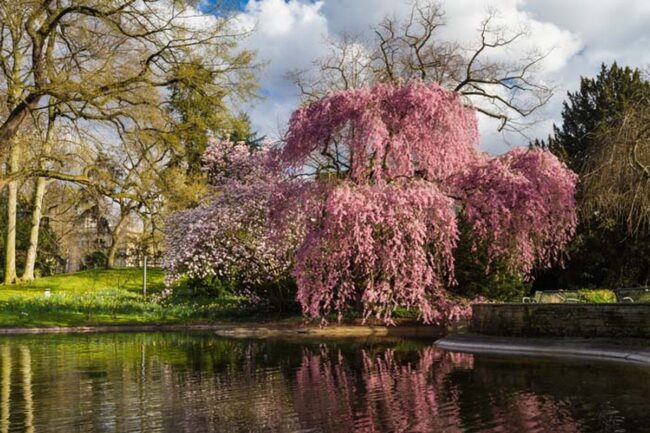
Prunus subhirtella, known as Higan cherry, stands out as a remarkable ornamental tree prized by landscape designers for its elegant, weeping form.
Delicate pink or white blossoms create breathtaking canopies that cascade like gentle waterfalls during early spring, transforming gardens into magical landscapes.
Native to Japan, this deciduous tree reaches heights of 20-30 feet, offering dramatic visual interest throughout seasonal transitions.
Moderate growth rates and adaptability make Higan cherries ideal for smaller spaces or ornamental plantings near patios and walkways.
Branches droop gracefully, creating a romantic silhouette that adds architectural drama to residential landscapes.
Blooming occurs before leaf emergence, producing clusters of small, five-petaled flowers that attract pollinators and create a soft, dreamy atmosphere.
Fall brings additional charm as leaves shift to warm golden and bronze tones, providing multi-season visual appeal.
Purple Sugarplums Dancing Among Blossoms
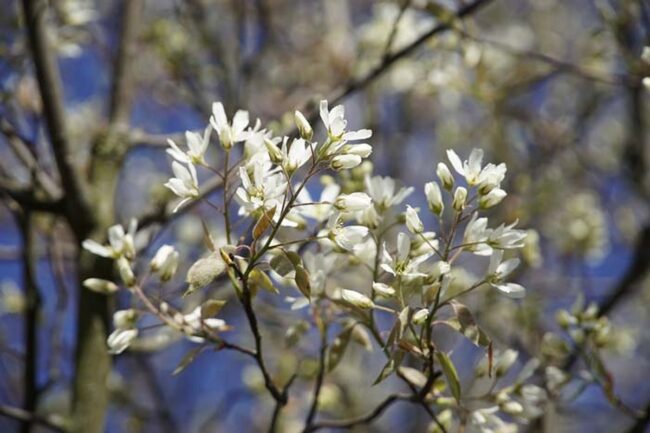
Serviceberry trees offer gardeners a spectacular three-season display with delicate white spring blossoms, delicious purple fruits resembling sweet sugarplums, and dramatic autumn foliage in rich orange and yellow hues.
Native to North America, these versatile trees attract wildlife and provide edible berries perfect for fresh eating or transforming into delectable jellies and preserves.
Local birds and pollinators love serviceberry trees, making them an excellent ecological addition to landscape designs.
Ornamental qualities shine through their graceful branching structure and smooth bark that adds visual interest year-round.
Garden enthusiasts appreciate how serviceberries thrive in various soil conditions and tolerate partial shade with minimal maintenance requirements.
Mature trees typically reach 15-25 feet tall, creating an ideal mid-sized landscape element for residential spaces.
Wildlife conservation experts recommend serviceberry trees for their exceptional ecological benefits and native plant status.
Towering White Lilac Blossoms Soar
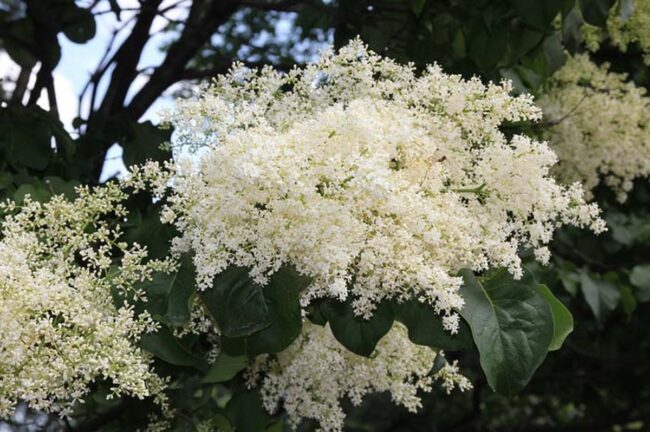
Japanese tree lilac stands out as a majestic landscape marvel, towering up to 40 feet with elegant branches that command attention in gardens.
Pure white flower clusters emerge later than traditional lilacs, extending the beloved fragrant season for nature enthusiasts.
Delicate blossoms release a sweet scent that attracts pollinators and delights passersby with their subtle, sophisticated charm.
Native to Japan and Korea, this deciduous tree thrives in multiple climate zones, offering robust performance and minimal maintenance requirements.
Hardy branches withstand diverse weather conditions, making it an excellent choice for landscape designers seeking reliable ornamental specimens.
Mature trees develop attractive bark that adds winter interest, complementing their spectacular summer display.
Landscape architects frequently select this lilac variety for its architectural presence and long-lasting visual appeal.
Soft Pink Magnolia Cup Blossoms
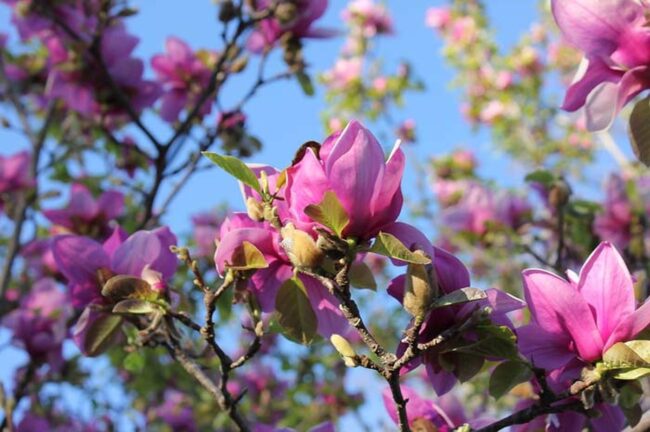
Saucer magnolia trees burst with breathtaking pink and white blossoms that dramatically paint landscapes during early spring, creating dramatic visual displays before leaves emerge.
Botanical experts recognize these remarkable trees as deciduous specimens originating in Southeast Asia, specifically China and Japan.
Native garden enthusiasts appreciate how these magnificent plants reach impressive heights between 20 and 30 feet, providing substantial landscape presence.
Delicate flowers resemble enormous teacups, opening in early March with spectacular pink and white petals that contrast beautifully against bare branches.
Sunlight requirements include full sun to partial shade, with well-draining soil ensuring optimal growth and spectacular blooming potential.
Mature trees develop smooth gray bark and elegant branching structures that enhance their ornamental appeal throughout seasonal changes.
Pink Blossoms Oklahoma Redbud Magic
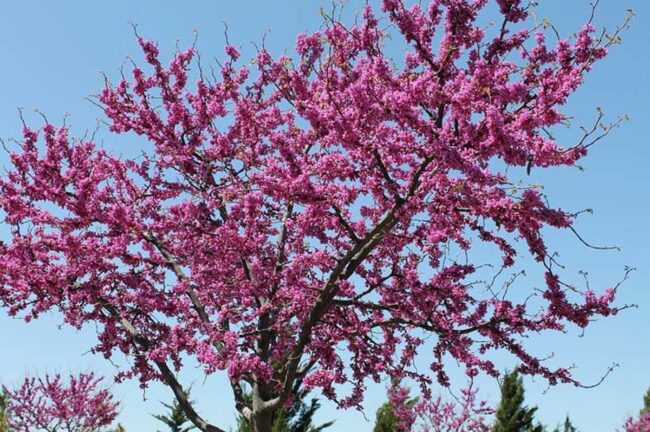
Oklahoma redbud trees captivate gardeners with spectacular pink blossoms that explode across landscapes in early spring, creating a breathtaking display of natural beauty.
Native to North America, these compact trees typically reach 20-30 feet tall with a spreading, multi-stemmed structure that provides visual interest throughout seasonal changes.
Delicate pink flowers blanket branches before leaves emerge, transforming ordinary yards into stunning botanical showcases.
Attractive purple seed pods follow the blossoming period, offering continued visual appeal after the initial floral display fades.
Landscape designers appreciate redbuds for their moderate size and adaptability to various soil conditions across different regions.
Careful pruning helps maintain the tree's distinctive shape and promotes healthy growth, ensuring its long-term vitality.
Mature trees provide excellent shade and attract pollinators like bees and butterflies to your garden.
Liam Patel
Senior Editor & DIY Craftsman
Expertise
DIY home decor, interior design, budget-friendly styling, sustainable upcycling, creative crafting, editorial writing
Education
Pratt Institute, Brooklyn, NY
Liam Patel is the Senior Editor at Archeworks.org, where he shares creative DIY and home decor ideas. With a degree in Interior Design and years of experience in home styling, Liam focuses on easy, budget-friendly projects that make spaces personal and beautiful.
Liam’s tutorials, styling tips, and affordable solutions help readers design homes they love. He believes decorating is about self-expression and encourages everyone to embrace the joy of creating.